Why Papers Leak?
Pradhan has resigned but a question still remains
Contents
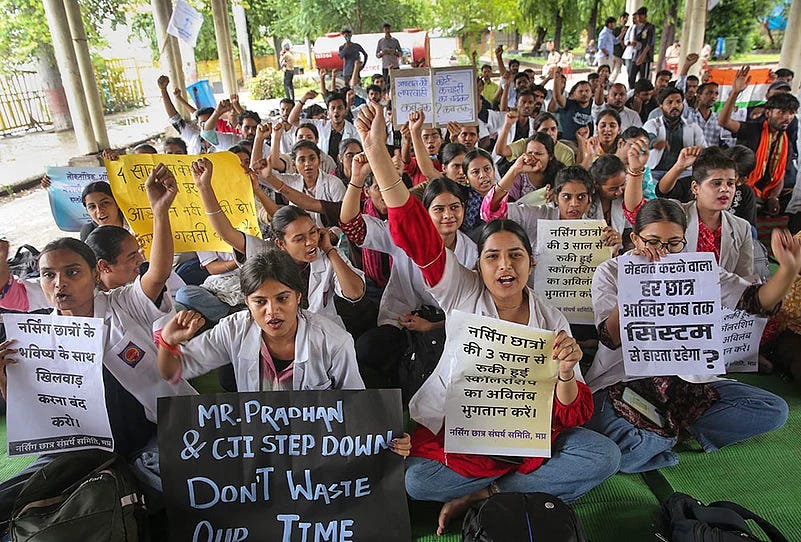
Around 200 exam fraud incidents have been documented between 2005 and 2026, affecting an estimated 10 crore students. Even one of the most prestigious examinations like NEET-UG was cancelled days later after the paper leak came to light, throwing the future of over 22 lakh students into uncertainty. More than twenty students reportedly died by suicide in the aftermath. After weeks of widespread protests by students, the education minister, Dharmendra Pradhan has finally tendered his resignation albeit taking no accountability.
In past two months, there has been ample discussion around misgovernance, mismanagement and corruption within the authorities and rightly so. But another question that deserves our attention is: Why do papers leak in the first place?
The core issue behind paper leaks is closely tied to the cut-throat competition that has continuously intensified over the years. The more competitive an examination becomes, the greater the incentives for corruption, and the higher the price of a leaked paper.
This competition itself is produced by two simultaneous processes: the extremely limited seats in public educational institutions and government employment on one hand, and the ever-rising cost of education on the other.
Despite repeated promises over decades, public spending on education has never reached even the long-standing target of 6 percent of GDP as recommended by Kothari Commission, instead remaining around 3.5–4.5 percent. At the same time, the cost of education has continued to rise sharply. The education component of the Consumer Price Index has increased by nearly 90 percent since 2013, while private school fees have risen by well over 150 percent in many urban areas.
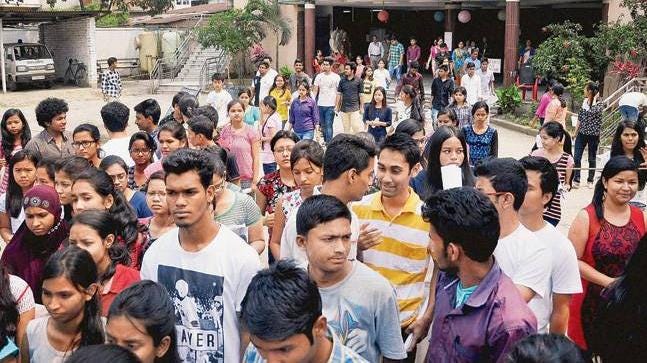
The contradiction becomes even clearer when we look at the number of available seats. Every year, over 22 lakh students appear for NEET, competing for barely 1.3 lakh MBBS seats, with government seats being only a fraction of these. Similarly, this year, nearly 1.9 lakh students applied for undergraduate admissions in Delhi University this year for just over 71,000 seats. The problem is therefore clearly not a lack of students willing to study. It is that the system deliberately keeps opportunities scarce.
This scarcity exists even where society desperately needs more professionals. India continues to face a severe shortage of doctors, teachers and healthcare workers, yet the number of seats remains limited. Public hospitals remain understaffed, schools continue to function without teachers, and universities struggle with massive faculty shortages.
One argument often presented against increasing educational seats is that there are not enough teachers to teach. Ironically, even the examinations meant to recruit teachers are repeatedly leaked, cancelled or delayed. Across the country, more than 3.5 lakh sanctioned teaching posts remain vacant in school education alone, while central universities have over 5,400 vacant teaching positions and the IITs continue to operate with thousands of faculty posts lying unfilled.
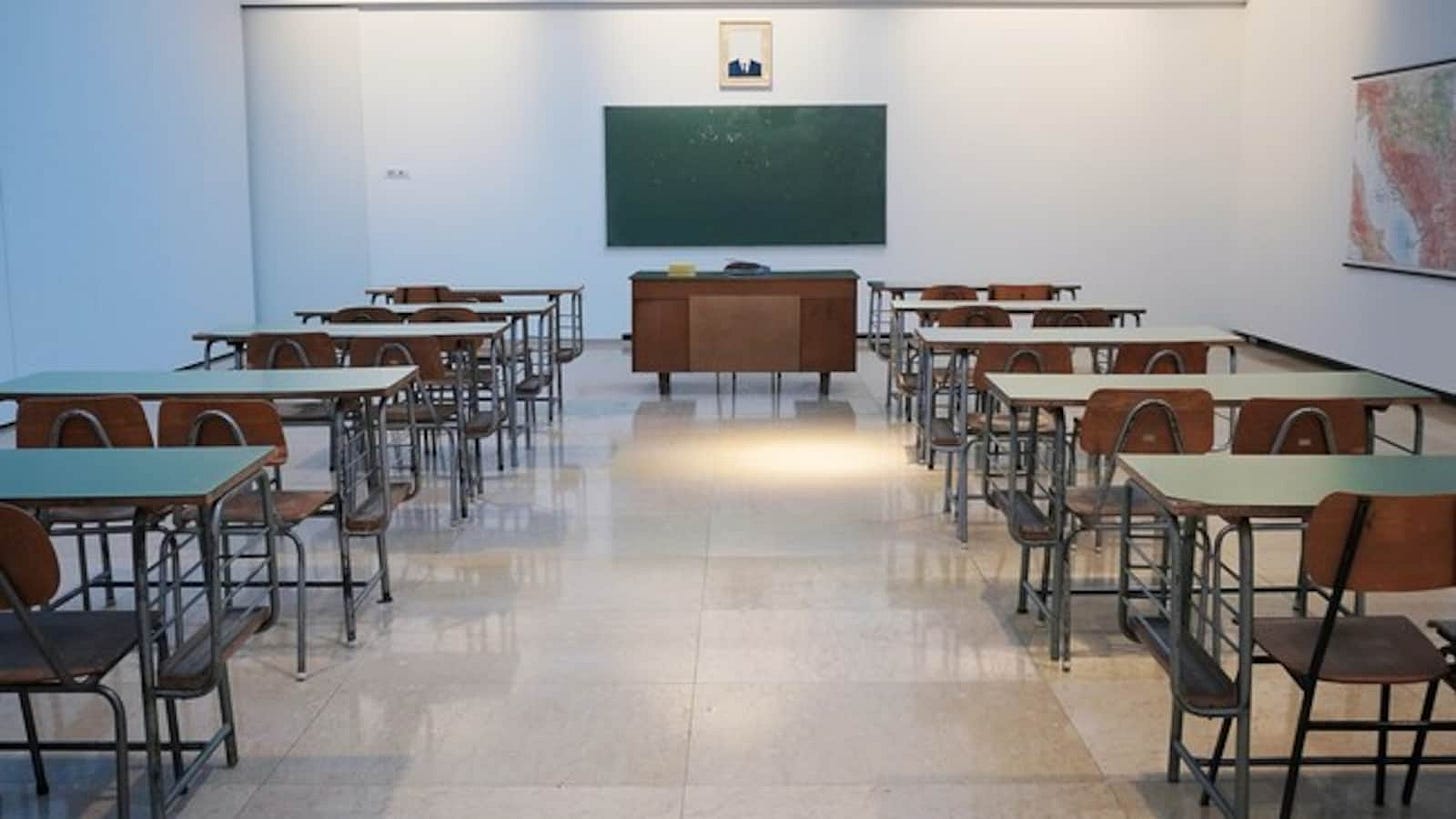
Another argument claims that there is not enough infrastructure. Yet, when it comes to wasteful expenditure, publicity campaigns or prestige projects, resources somehow become available overnight. Between 2020 and 2026 alone, the Union Government spent more than ₹2586 crore on advertisements promoting itself. The Statue of Unity alone cost nearly ₹3000 crore, an amount comparable to establishing multiple IITs and IIMs. The question is not whether resources exist, but whose interests they are used to serve.
The systematic weakening of public education has only increased people’s dependence on private institutions run by large corporate groups and billionaires such as Shiv Nadar, Jindal, Tata, Birla, Ambani and Adani. Over the last decade, the number of private universities has grown by nearly 150 percent, while student enrolment in them has increased by almost 200 percent. Education increasingly functions not as a public necessity but as a profitable business.
The same contradiction exists in employment. We are repeatedly told that there are not enough jobs. Yet even the jobs that already exist are deliberately left vacant. Nearly 8.5 lakh posts in the central government remain unfilled, alongside lakhs of vacancies in schools, hospitals, universities, the armed forces and public sector institutions. Surveys show that 78 percent of young people in Tier-2 and Tier-3 cities are looking for a government job, while more than half are actively preparing for one. Every cancelled examination and every delayed recruitment keeps another generation of young people trapped in uncertainty.
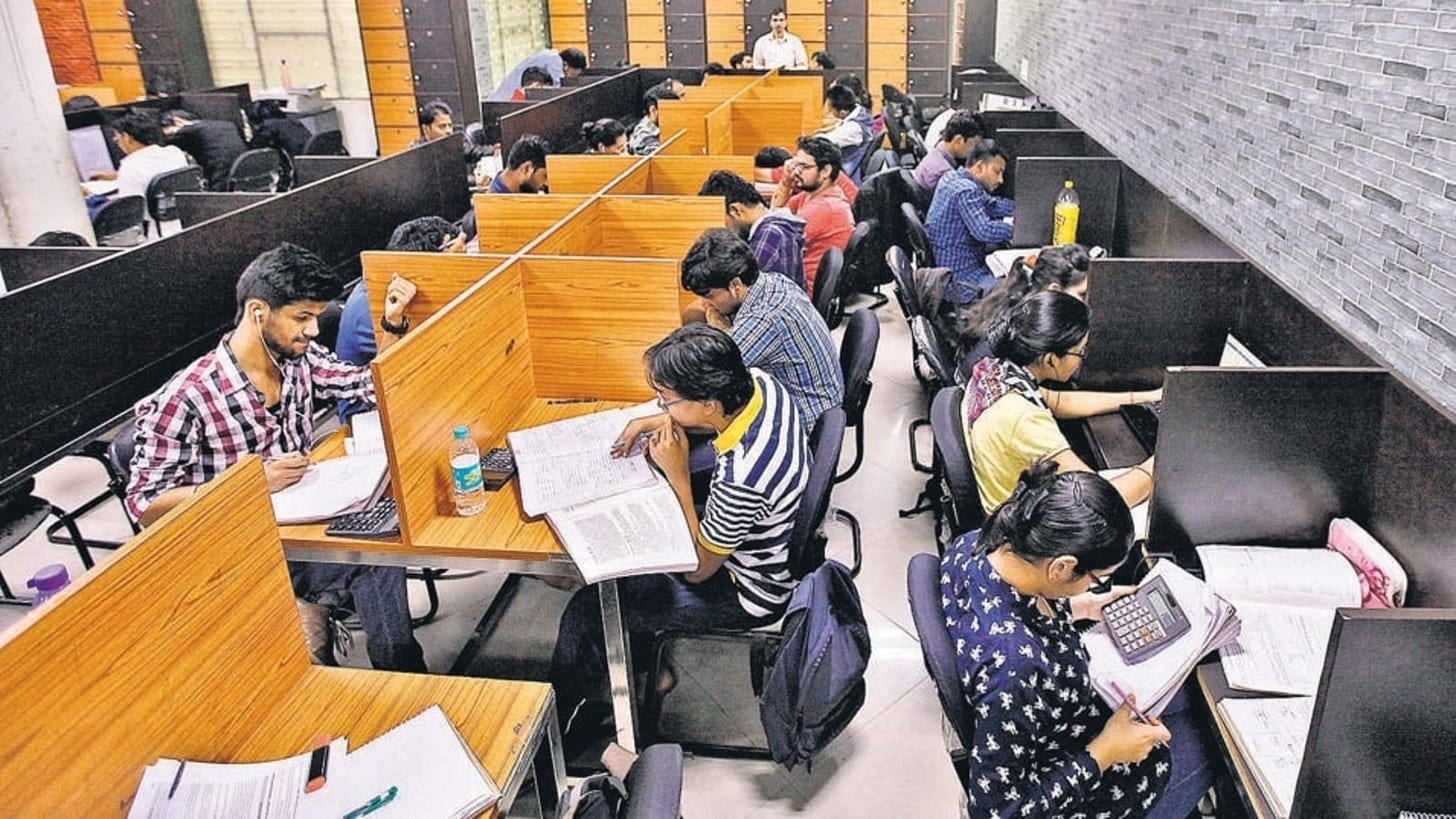
Logically, a country facing shortages of doctors, teachers, judges and healthcare workers should be educating more people and recruiting more workers. Instead, it does the opposite. It limits education, leaves public posts vacant, and forces millions of young people into an ever more desperate competition for fewer and fewer opportunities.
This contradiction is therefore not accidental. Capitalism constantly speaks of productivity, efficiency and development. Yet, despite having millions of young people willing to study, work and contribute to society, it deliberately keeps education and employment scarce. Society needs more doctors, teachers, engineers, researchers and healthcare workers. The youth are willing to become them. The resources to educate and employ them exist. And yet, the system refuses to do so.
This artificial scarcity serves a purpose.
On one hand, it expands the market for private capital. As public education and employment decline, private schools, universities, coaching centres and hospitals continue to flourish, turning education itself into another commodity from which a handful of billionaires accumulate enormous profits.
On the other hand, the same scarcity produces a vast reserve of desperate labour. Years spent in endless competition force millions of young people to accept whatever work they can find, no matter how exploitative. Whether in call centres yesterday or in today’s rapidly expanding gig economy, workers are compelled to work longer hours, for lower wages and with fewer rights, simply because countless others are waiting to replace them.
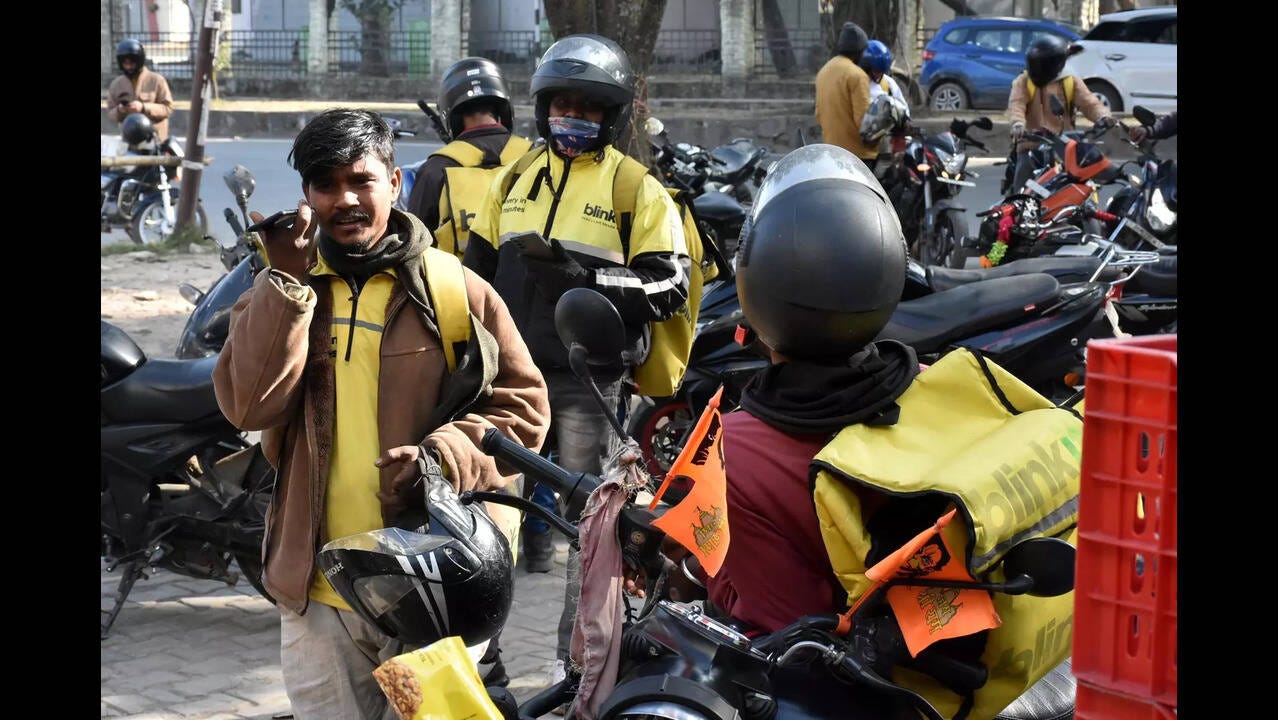
The paper leak is therefore not the real crisis. It is merely one symptom of a system built upon manufactured scarcity. The real contradiction is that while society needs more educated people, more skilled workers and more public services than ever before, capitalism can only function by denying these needs. It keeps millions unemployed, underemployed or trapped in endless competition, not because society cannot make use of their labour, but because such scarcity ultimately serves the interests of the ruling class and the imperialists who profit from it.
If we are to seriously fight against paper leaks, the solution cannot be limited to resignations, committee inquiries or stricter policing of examination centres. Such measures may temporarily deal with one incident, but they leave untouched the conditions that produce paper leaks again and again. Before anything else, paper leaks have to be understood as a systemic issue, one rooted in an education and employment system organised around profit rather than social need.
And because the problem is systemic, its solution too has to be systemic. The struggle is therefore not merely for fair examinations, but for an education system organised according to the needs of society, not the interests of capital. It is a struggle for a society where education is not a commodity, where employment is not artificially restricted, and where the productive capacity of millions of young people is developed rather than wasted.
Such a struggle cannot be fought by students alone. The same system that keeps students trapped in endless competition also keeps workers unemployed, peasants indebted, teachers overworked, doctors overburdened and the masses deprived of the most basic necessities. These are not separate struggles but different expressions of the same contradiction. Those who suffer the worst under this system—the working class, poor peasantry and the broad masses—understand its brutality better than anyone else.
Students therefore have a special responsibility. Education is not merely a means to secure one’s own future, but a means to understand society and transform it. The task before students is not simply to demand fairer examinations, but to unite their struggles with those of the workers, peasants and all oppressed sections of society. Only by combining these struggles into a common movement can we put an end not merely to paper leaks, but to the system that repeatedly produces them for the profit of a handful while condemning millions to insecurity, unemployment and despair.
Read next

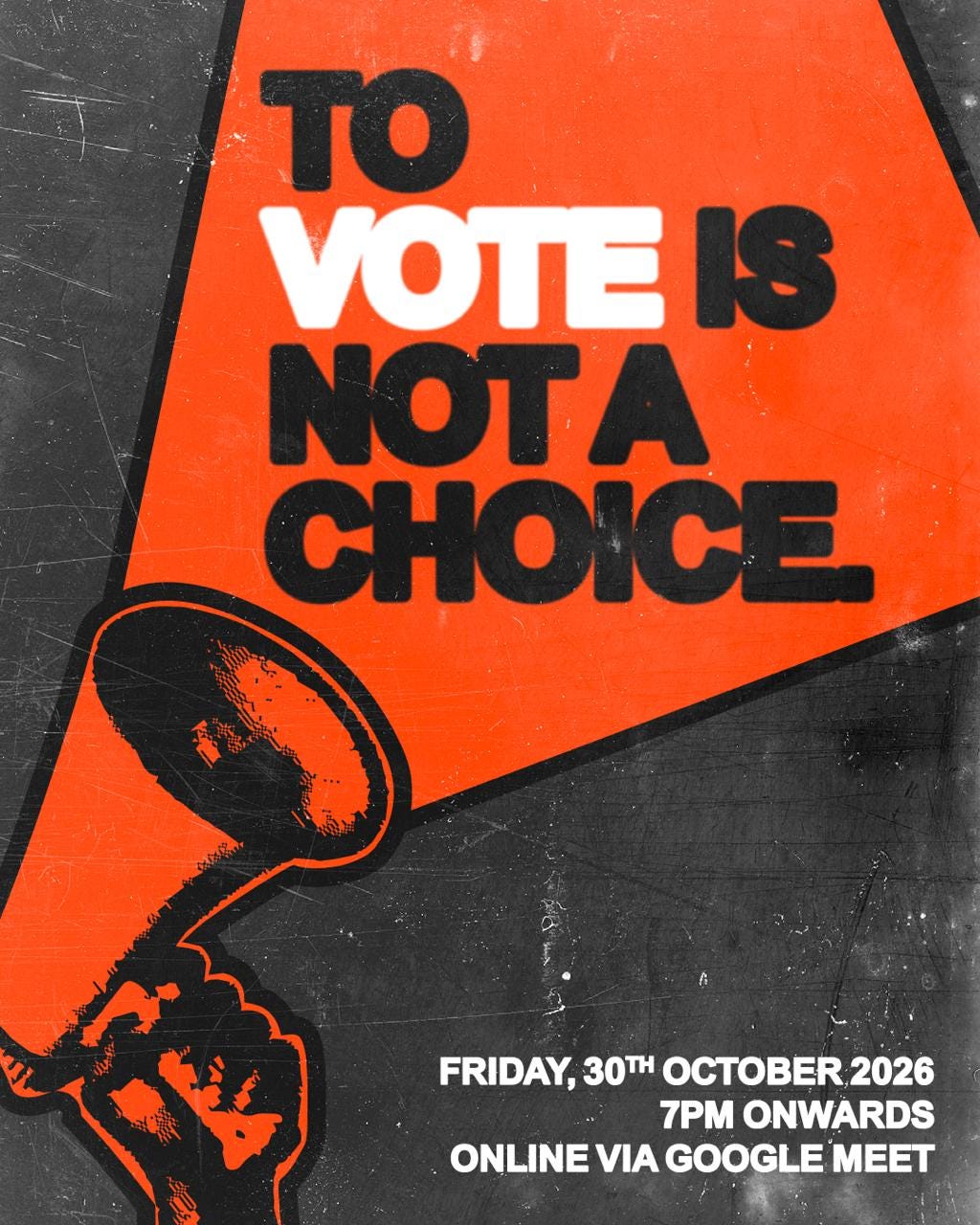
Online Reading and Screening| To Vote Is Not A Choice
Join us as we read, discuss, and collectively build clarity.
Online Reading and Screening| To Vote Is Not A Choice
Join us as we read, discuss, and collectively build clarity.
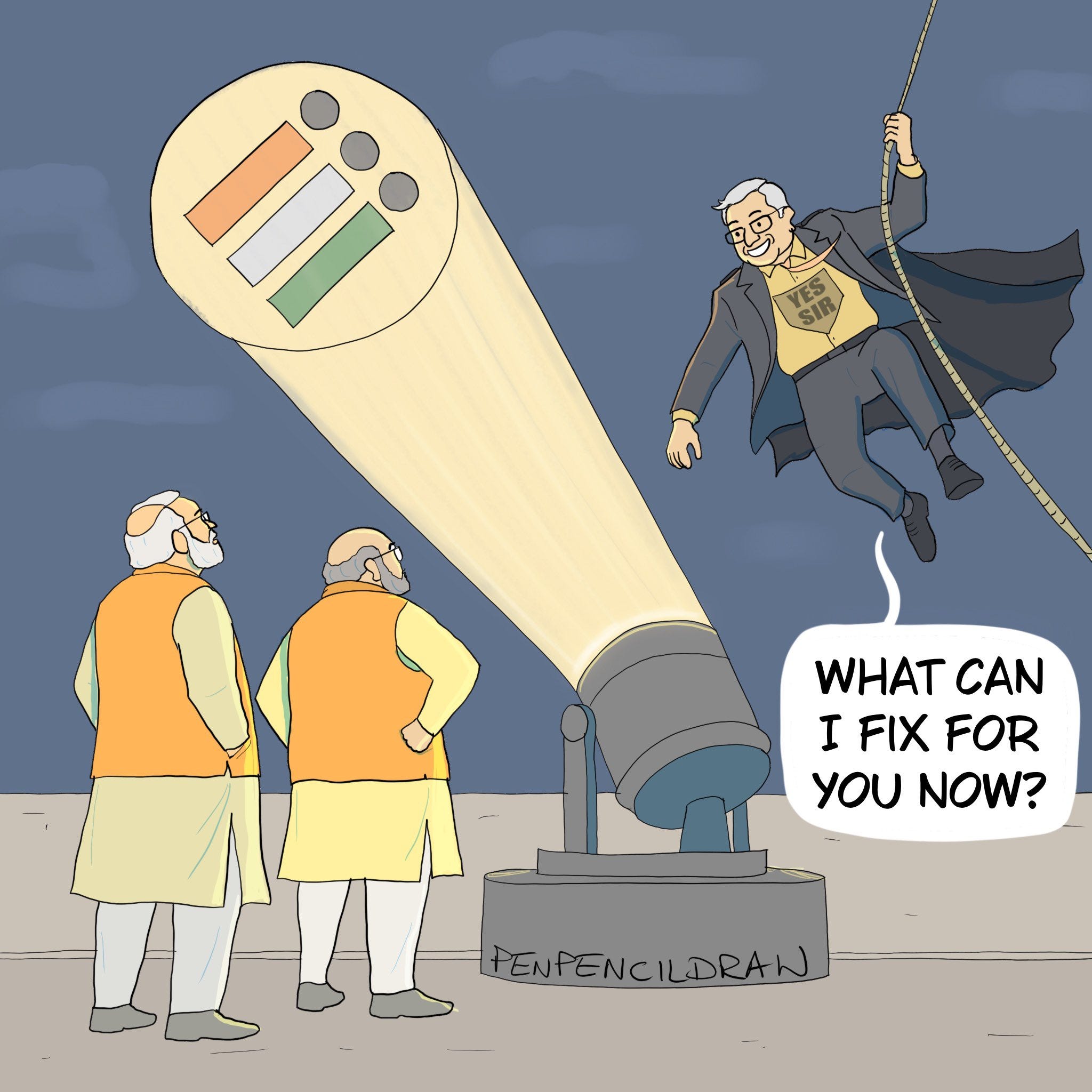
“Vote Chori”, SIR and Current Outburst
Where is the Movement Headed and What Must We Do?