Why Are The New Labour Codes Anti Working Class?
Contents
Between 2019 and 2020, the Indian Parliament enacted four labour codes:
Code on Wages, 2019
Industrial Relations Code, 2020
Code on Social Security, 2020
Occupational Safety, Health and Working Conditions Code, 2020
These came into effect on 21 November 2025, replacing 29 existing labour laws, including cornerstone legislations such as the Minimum Wages Act, Payment of Wages Act, Factories Act and Industrial Disputes Act, among others.
At a superficial level, these new ‘reforms’ might appear “worker-friendly” (the mainstream bourgeois media has played a significant role in disseminating this ideology). In reality, they represent one of the most anti working-class legal changes passed by the government to advance the interests of the ruling class. The official release claims that these codes aim to create a “future-ready workforce”. Trade unions across India have protested against the new codes, describing them as “anti-worker” and “pro-employer”. The NDA-led government had attempted a similar consolidation of labour laws in 2002, but it failed due to strong opposition from labour unions.
Retrenchment and Layoffs
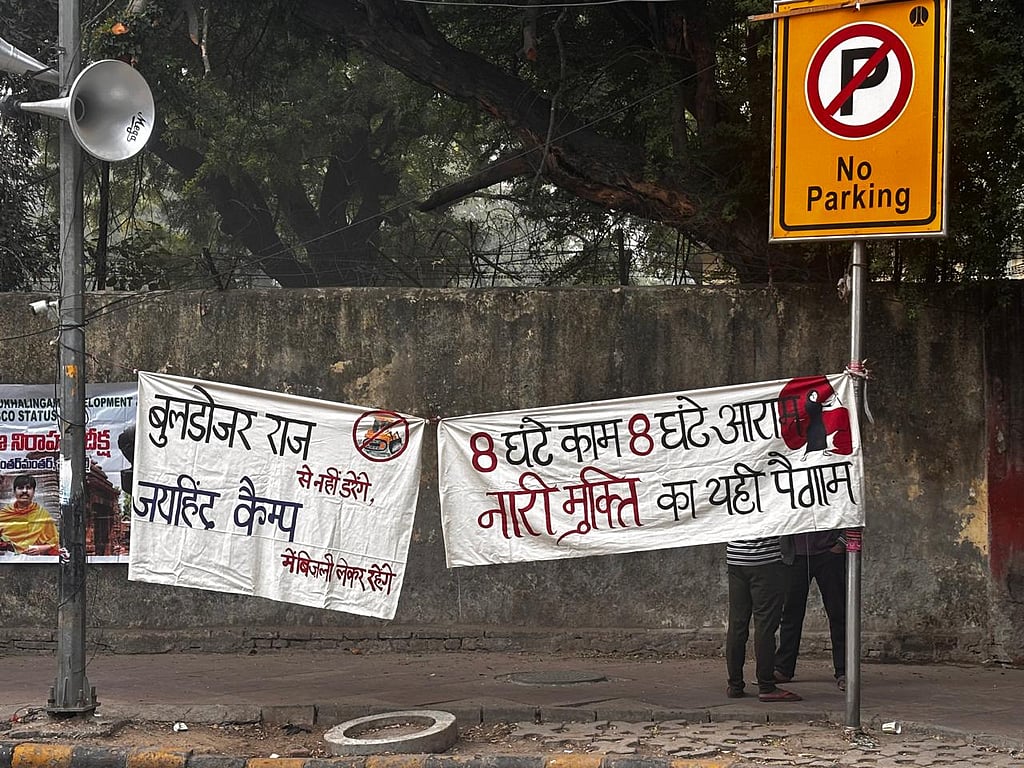
Under the Industrial Relations Code, 2020, government permission for layoffs and retrenchment is required only for establishments employing more than 300 workers (earlier it was 100). Raising the threshold from 100 to 300 workers allows the vast majority of Indian establishments (estimates suggest 70–80%) to legally retrench workers without state oversight. The Code defines retrenchment broadly as termination “for any reason whatsoever”. This gives employers significant leverage over employees.
The Code also formally legitimises “fixed-term employment” and clarifies that termination upon the expiry of a contract does not constitute retrenchment. This legal recognition institutionalises employment precarity. As a result, workers remain continuously vulnerable to non-renewal, discouraging unionisation and collective resistance.
Criminalising Collective Action and Weakening Trade Unions
Another defining feature of bourgeois law is its attempt to weaken collective action and working-class struggle. Any unity among the proletariat is often suppressed at its very inception. The Industrial Relations Code introduces stricter conditions on collective struggle.
Earlier, trade unions in much of the manufacturing sector could call sudden or ‘flash strikes’, forcing employers to negotiate. Only essential public services required a prior 14-day notice. The new Code extends this notice requirement to all sectors. Once a strike notice is given, mandatory conciliation proceedings begin under a government-appointed officer. During this period, and for one week after it ends, workers are legally barred from striking. Since conciliation can continue for long periods, strikes are effectively delayed indefinitely. Any strike outside this process is illegal and often results in penalties and wage cuts. It increasingly appears as though workers require the approval of the ruling class to go on strike. The Code also treats mass casual leave as potential strike action requiring prior notice. As a result, almost every form of unionising and collectivism is met with severe legal consequences.
Claims of Social Security Without Enforceability
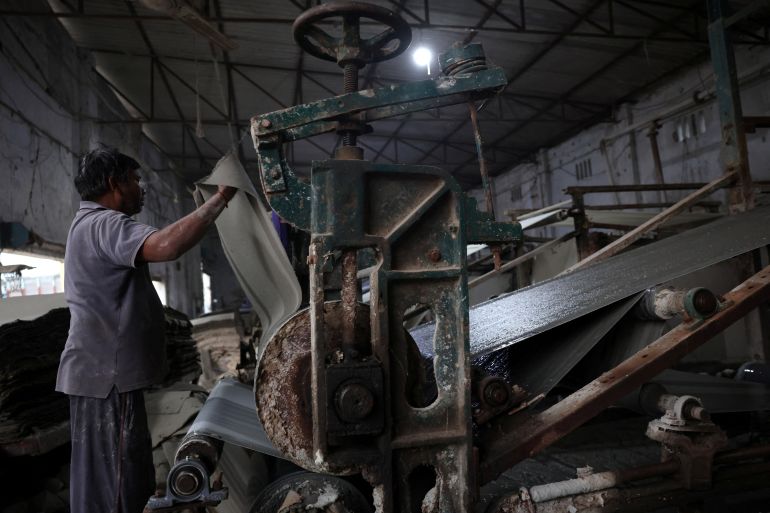
The Code on Social Security, 2020 claims to extend social security to gig and unorganised workers. However, the implementation of this policy is highly questionable. The number of gig workers in India stood at 7.7 million in 2020–21, and is expected to rise to 23.5 million by 2029–30. Yet, according to estimates, only a little over 100k gig workers are currently registered on the government’s official e-Shram portal. Moreover, the codes do not hold parent bourgeois organisations accountable for the worsening and increasingly unsafe working conditions faced by gig workers.
History of Labour Laws in India
Labour laws in India were not handed to the working class on a silver platter. They were the result of decades of struggle. But still, colonial labour laws were designed to regulate unrest and stabilise production rather than protect workers. The Trade Unions Act of 1926 legalised unions while simultaneously subjecting them to state control. After Independence, labour law expanded significantly due to strong trade unions and the influence of left and socialist politics.
How Labour Laws Enable the Interests of the Ruling Class
Labour laws do not exist outside class relations; they are shaped by the struggle between the bourgeois-controlled state machinery and the proletariat, and ultimately serve to stabilise capitalist production. The state functions as an instrument through which the ruling class secures its material interests. As Marx and Engels wrote, “The executive of the modern state is but a committee for managing the common affairs of the bourgeoisie.” Labour laws, within this framework, operate as mechanisms that regulate exploitation rather than abolish it. They merely transform workers into “wage slaves”.
Labour laws also manufacture “common sense” by presenting capitalist employment relations as natural, reasonable and fair. Rights granted to workers appear as protections, while the deeper structure of exploitation and capitalism remains untouched. In this way, labour law helps manufacture consent. It convinces workers that their interests are being safeguarded even as the law secures uninterrupted accumulation for capital. Labour laws thus represent a continuation of capitalism under new legal forms.
As Lenin paraphrased Marx:
“The state is an organ of class rule, an organ for the oppression of one class by another; it is the creation of ‘order’, which legalises and perpetuates this oppression by moderating the conflict between classes.”
The ruling class, and by extension the Indian state, act precisely in this capacity through these labour codes.
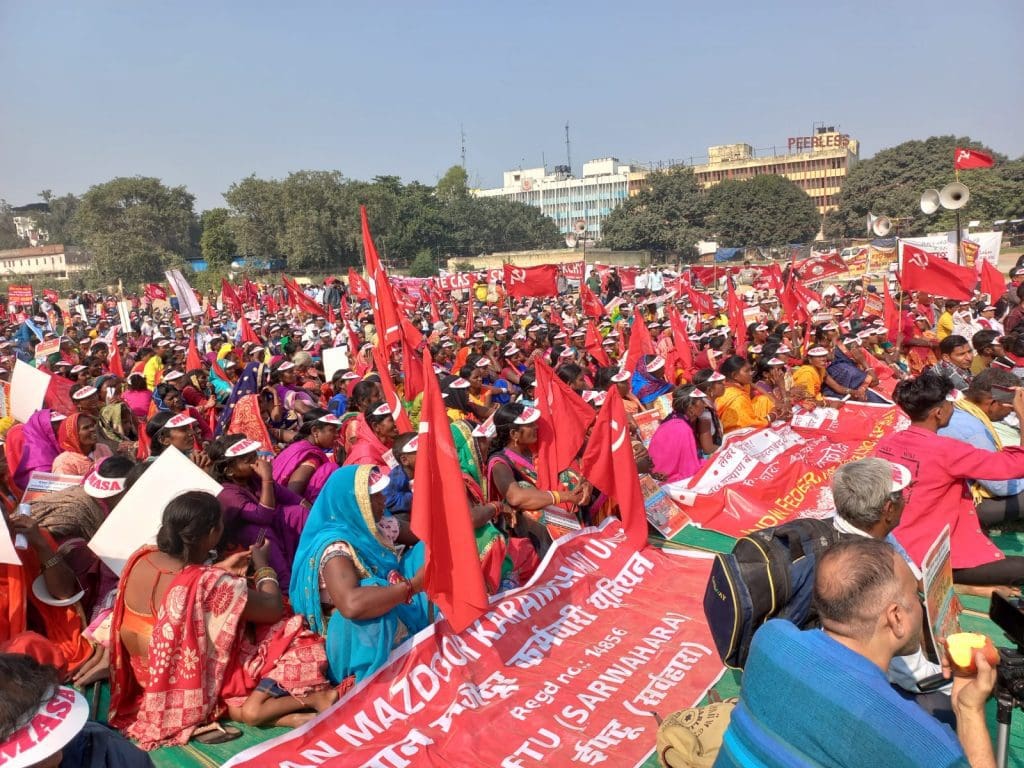
Struggles such as strikes and union actions resist certain aspects of the capitalist system, but they cannot, by themselves, end exploitation. The root problem lies in capitalism itself. At the same time, these forms of collective resistance play a crucial role in developing the political consciousness of the working class. So, the changes in the labour code are not only a way to extract exploitative labour from the people, but also to also restrict by force their class consciousness and collective organisation.
Nevertheless, such measures are bound to generate stronger resistance, both within the workplace and beyond. Hence, all progress-seeking sections of society must engage in this revolutionary political struggle led by the working class, the workers, for who “have nothing to lose but their chains”.
Read next

Online Reading and Screening| To Vote Is Not A Choice
Join us as we read, discuss, and collectively build clarity.

Online Reading and Screening| To Vote Is Not A Choice
Join us as we read, discuss, and collectively build clarity.

“Vote Chori”, SIR and Current Outburst
Where is the Movement Headed and What Must We Do?