What Does The Increasing Workers’ Protests In India Teach Us?
Contents
From Haryana to Noida, India Will Be Free?
On April 9, 2026, the Haryana government announced a 35% minimum wage hike after a series of protests and demands from workers across industrial belts in Manesar, Panipat, Faridabad and others. But this had a stronger impact in Noida, just across the border, where workers were earning only ₹9,000 to ₹13,000 a month.
On April 10, thousands of factory, industrial and contractual workers from Noida Phase 2 walked off the floor. Within days, workers from nearly 300 factories, including Motherson, Dixon Technologies, Richa Global Exports, Kent RO Systems and Rainbow Fabart, also joined in. More than 40,000 workers from nearly 80 locations demanded an 8-hour shift instead of 10–12 hours, overtime pay and a monthly wage of ₹20,000.
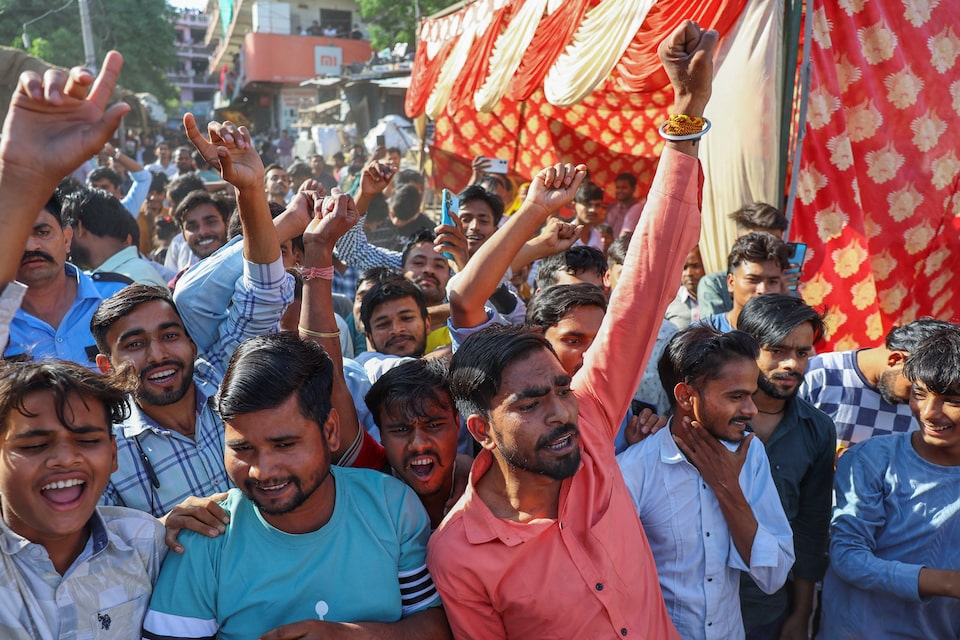
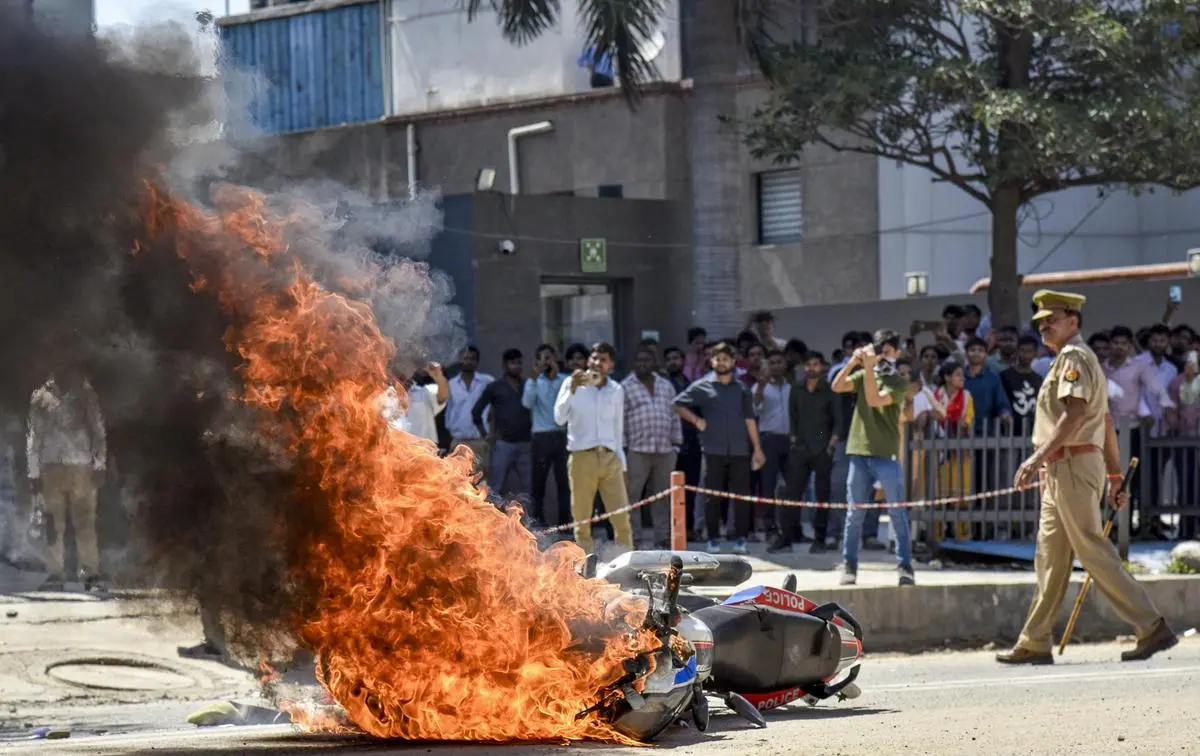
However, the state, acting as a vessel of the capitalist machine, responded with the arrest of over 300 workers, lathi charges and tear gas. The fascist UP government even associated the protests with a “Pak link” and dismissed them as having “Naxalite elements”.
While the protests ended with some minimal assurances from the government, many worker protestors and labour activists continue to be under the custody on the pretext of “provoking violence”, “organising through WhatsApp groups”.
What Do These Protests Teach Us?
Karl Marx in the Communist Manifesto talks about how workers, as their conditions become more precarious and oppressed, begin to form trade unions against the bourgeoisie. They club together and fight for wage increases and prepare for these “occasional revolts”. And then, “here and there, the contest breaks out into riots… Now and then the workers are victorious, but only for a time.”
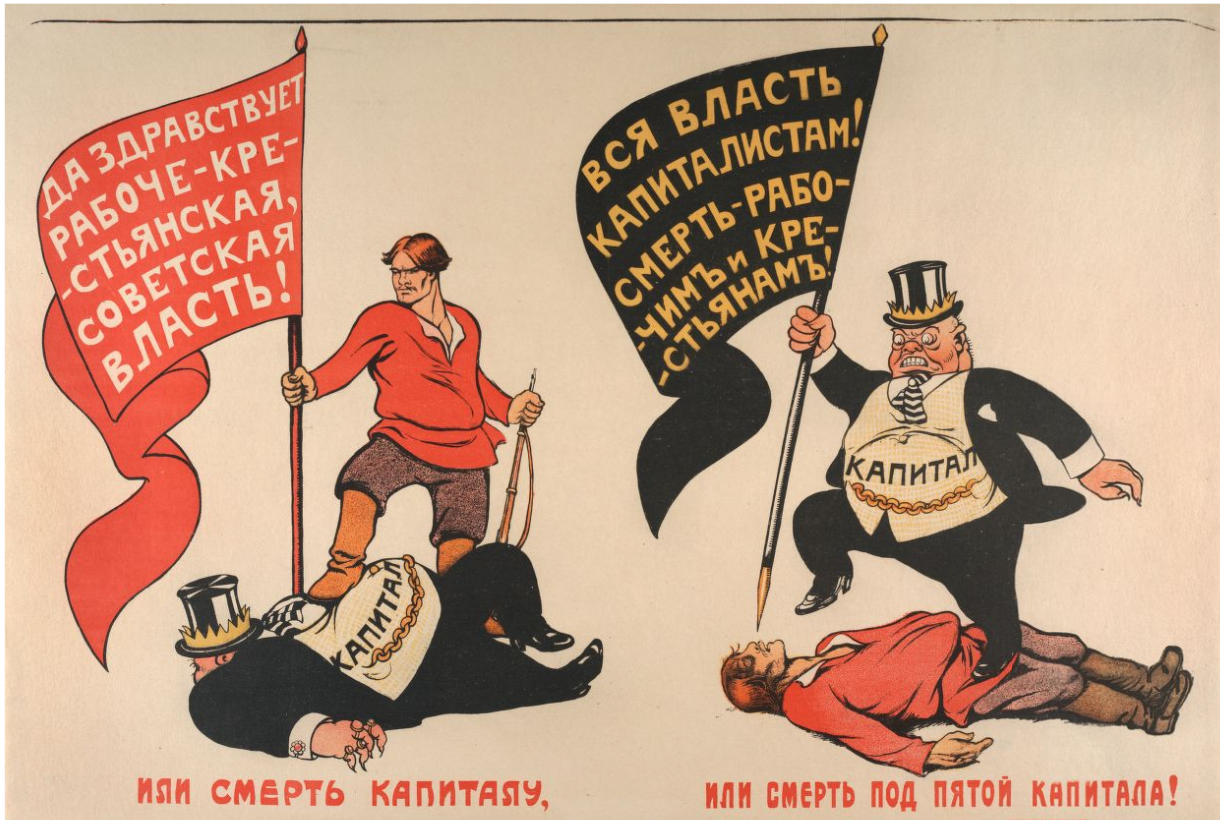
In this context, the Noida protest is in a way, a recurring formulaic event that capitalism structurally keeps on generating. Workers are pushed to extreme exploitation, leading them to revolt, after which they may win partial concessions. But after this apparent and limited wage increase, they are forced back into the same system, returning as wage slaves.
These protests are thus revolutionary, yet limited. Revolutionary, because it brings workers together in real struggle, and makes them realise their power and potential; and it is limited, because, without a broader direction at the grassroot level, such movements often remain confined to immediate economic gains and reforms.
Spontaneous Protests
The Noida protests were largely spontaneous though an expression of a long build up. Workers from one hosiery complex started walking out, and others joined later, not because of a long standing organisational unity, but because their demands also revolved around economic factors like wages, working hours and working conditions. This is what Lenin called “trade union consciousness” in What Is to Be Done?
Lenin wrote:
“The history of all countries shows that the working class, exclusively by its own effort, is able to develop only trade union consciousness — that is, it may realise the necessity for combining in unions, for fighting against the employers and for striving to compel the government to pass necessary labour legislation.”
According to Lenin, these strikes are “simply trade union struggles”, yet they “represent the class struggle in embryo”, because these struggles still need further nurturing and proper organisation.
Limits of Economism
Lenin had a specific term for the tendency to treat the economic struggle of workers as sufficient in itself: Economism. The Economists of his time argued that Marxists should focus primarily on supporting workers’ day-to-day battles with employers, like wages and so on. And it was assumed that the political struggle would follow naturally from economic struggle.
Lenin however didn’t “bow to spontaneity”, though he recognised its importance. His point was not that economic struggles do not matter, but that spontaneous movements can only address immediate economic issues. They cannot challenge the system that makes such struggles necessary in the first place.
So, according to Lenin,
“the task… is to combat spontaneity, to divert the working-class movement from this spontaneous, trade-unionist striving to come under the wing of the bourgeoisie, and to bring it under the wing of revolutionary Social Democracy.”
(Note: Social Democracy was synonymous with communism during that time)
Unless something changes in how the working class organises and what it fights for, the immediate gains of the protests would not last long. This is especially in a state where the crisis of capitalism has become constant, where workers win one step forward on a front and are pushed two steps back on other fronts.
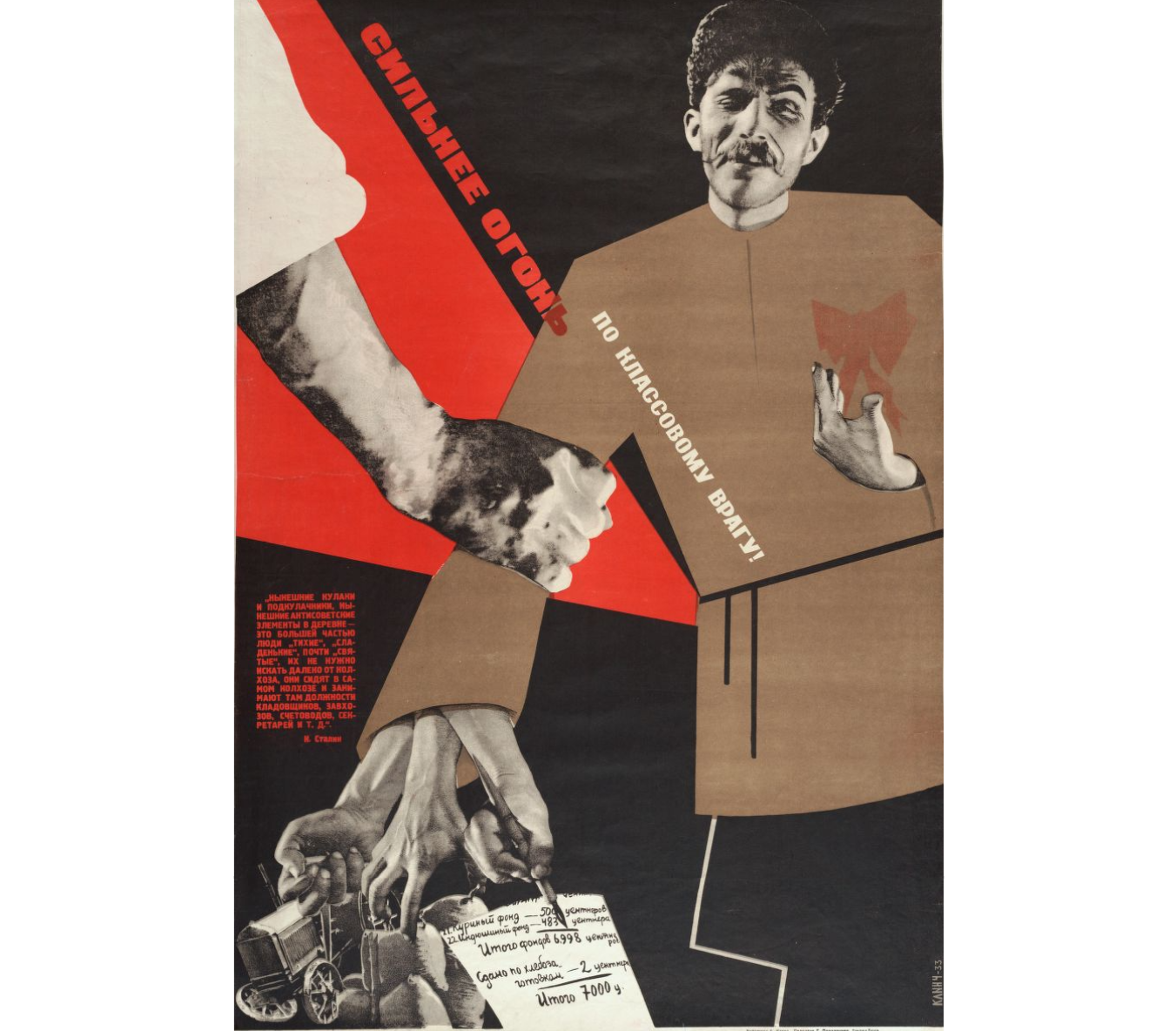
As Marx said, “the real fruit of their battles lies not in the immediate result, but in the ever-expanding union of the workers.” That union is expanding, and slowly expanding across factories, across districts, across states, and across India. The Noida workers being influenced by the Haryana workers’ protest is a big testament to this. These protests showed us that workers are ready to risk arrest and face lathi charges, in search of liberation. What is needed now is the political infrastructure to channel that readiness toward something that outlasts the wage hike.
The real task, as Lenin put it, is not to dismiss spontaneous struggle but to “utilise the sparks of political consciousness which the economic struggle generates among the workers, for the purpose of raising the workers to the level of Social-Democratic political consciousness.”
It is through the correct education, political struggle and powerfully chained organisational lines that such battles can be waged not only for the immediate needs, but the wins and losses of today can culminate into experience towards a larger revolutionary movement.
The Bursting Bubble of Capitalism
As we write this, hundreds of workers and activists are facing arrests and many others are being subjected to constant state intimidation. Attempts are being made to colourise these protests as anti-national or as conscious acts of mindless violence, to hide a simple fact: the current system is incompatible with the current stage of human history.
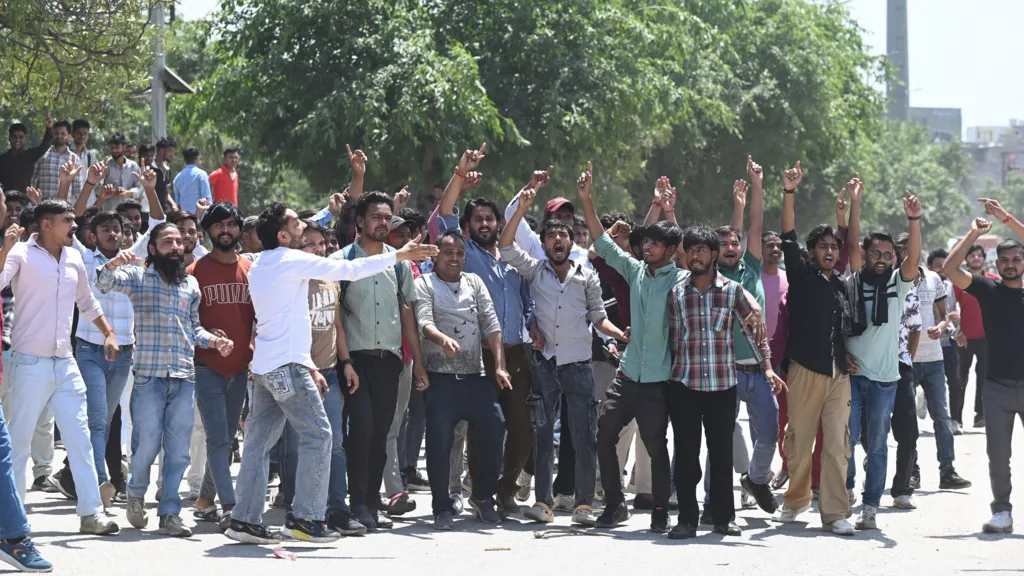
The Haryana and Noida protests of April 2026 are the biggest examples of this fact that Indian capitalism is not stable; it indicates that the carefully manufactured bubble is slowly bursting. Workers across industrial India are getting pushed to points where silence is no longer possible.
But a breaking point is not automatically a turning point. That transformation from spontaneous revolt to conscious political struggle, does not happen by itself. It requires organisation and strong and strategic roots. And of course, it is difficult to end such a political commentary without this quote:
“Workers of the world unite! You have nothing to lose but your chains!”
Read next
Online Reading and Screening| To Vote Is Not A Choice
Join us as we read, discuss, and collectively build clarity.

Online Reading and Screening| To Vote Is Not A Choice
Join us as we read, discuss, and collectively build clarity.
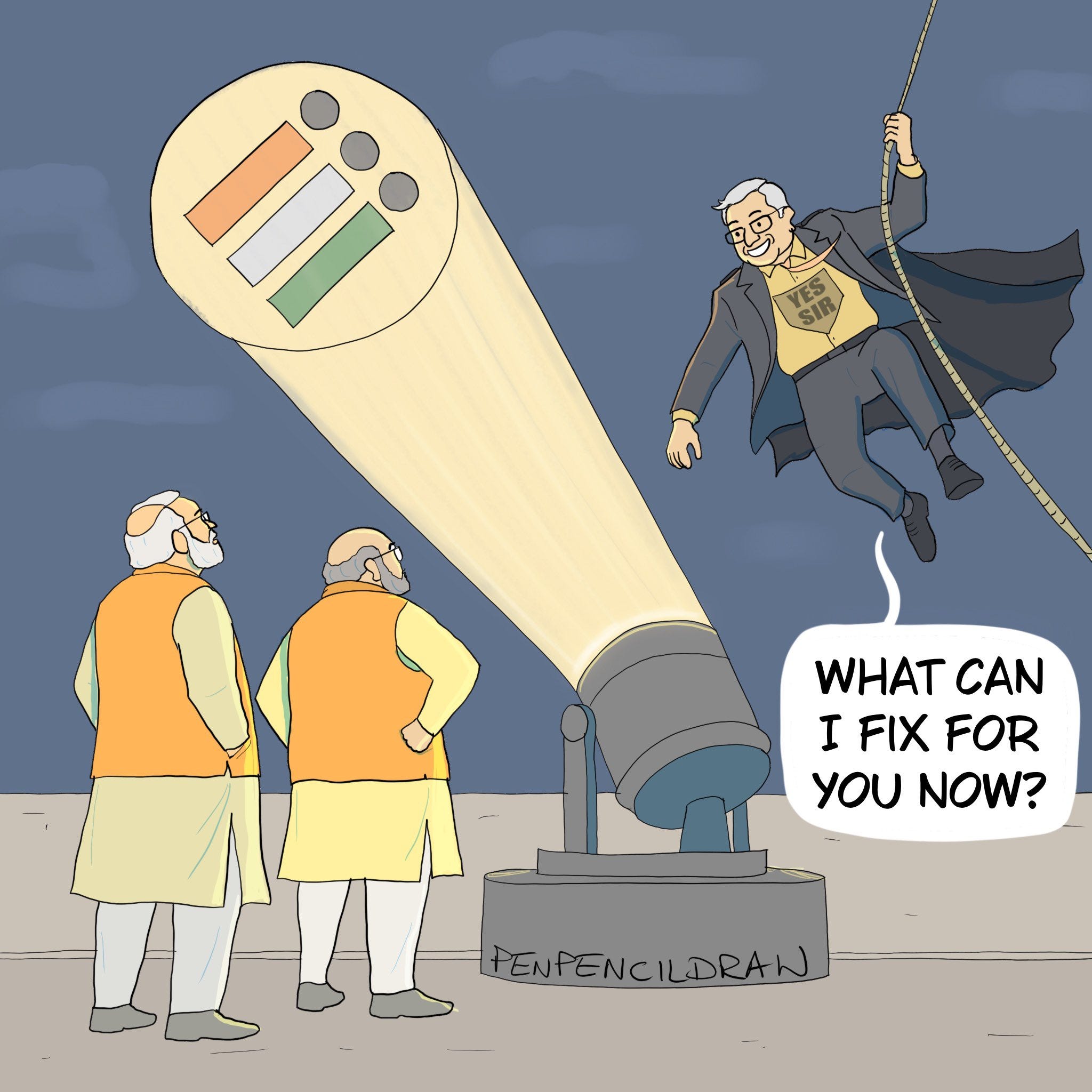
“Vote Chori”, SIR and Current Outburst
Where is the Movement Headed and What Must We Do?