The Fire This Time
Indifference, apathy, and the normalisation of climate violence in a dying world
Contents
It requires immense privilege to remain untouched while fire rains down on your city. It requires even greater cruelty to shut the windows and draw the blinds.
The climate catastrophe is a unique phenomenon because although it is a public crisis, almost every solution offered to it is private. Air conditioners and refrigerators are private solutions to the public heatwave, water geysers and room heaters are private solutions to the public freezing conditions. This naturally means that the population gets divided into people who are privileged enough to afford these private solutions, and people who are not. In India, this divide both emerges from and reinforces the existing separation between the generally wealthy, upper-caste classes and the generally poorer, lower-caste ones.
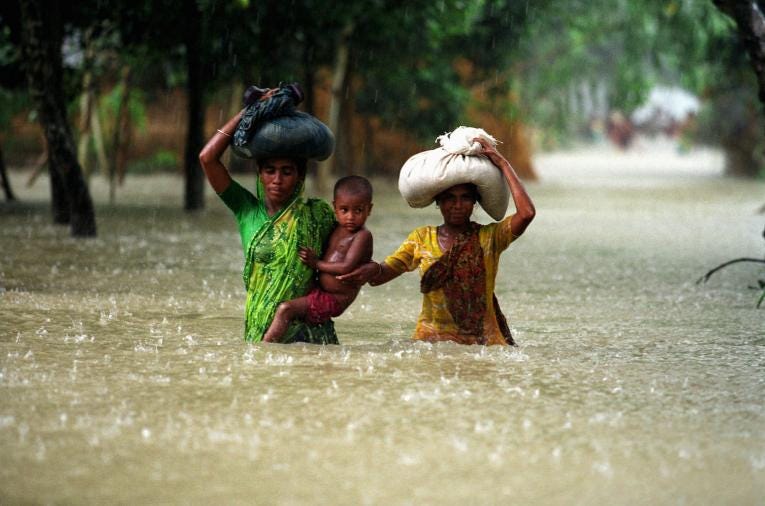
In those privileged enough to be inside the insulated bubble of private solutions, there is a strange detachment and (perhaps more sinisterly) an apathy towards those who are outside the bubble. I say indifference and not ignorance because I believe it is not simply a lack of knowledge or a lack of information. There are enough headlines shouting about entire slums being flooded away, enough photos of homeless men sleeping on frigid footpaths in the dead of night, enough stories about delivery workers collapsing on duty in the scorching heat. There is a constant stream of evidence of the crisis and the suffering it causes, and yet, the response remains weak. It is, then, not ignorance, but a failure of empathy produced by two forces: the normalisation of violence against those outside the bubble, and the normalisation of the climate catastrophe itself. We must examine these in detail.
[1] We live in a society where the constant suffering of the poor has become as normal and natural for the privileged class as walking or breathing. Those outside the bubble are usually the same people whose suffering has been so normalised and trivialised, and the apathy to their suffering due to the climate crisis is simply an extension of this already-existing apathy to their general suffering. One reason for this is that people inside the bubble have been thoroughly convinced that those who are suffering are suffering because of themselves. Their misery is understood not as the consequence of a systemic flaw, but of an individual one. Their condition is blamed on their poor choices, their way of life, their conduct, and if that fails, the concept of karma is conveniently invoked to blame their suffering on sins they must have committed in their past lives. Those who are suffering, then, are deservedly suffering because they are lazy, uneducated, stupid, or simply sinful, and must themselves shoulder the responsibility to alleviate their misery. This not only absolves the privileged of responsibility, but allows them to pat themselves on the back for being intelligent, hardworking, and capable people who earned their comfort.
The natural consequence of this framework is simple: the underprivileged are methodically treated as the ‘other’, they are seen less and less as individuals with dignity and aspirations, and more and more as an abstract statistical mass of people who share the same conditions and characteristic features. Once people are reduced to an abstract mass, individual lives cease to carry emotional weight or meaning. A headline about a dozen labourers perishing due to the heat in different parts of the country does not then invoke empathy in the privileged reader, he does not think of them as twelve individual lives, he sees them simply as a small portion in the great mass of the ‘other’ people. Their suffering becomes statistical rather than human, and thus the homogenisation of the poor underprivileged class normalises their suffering.
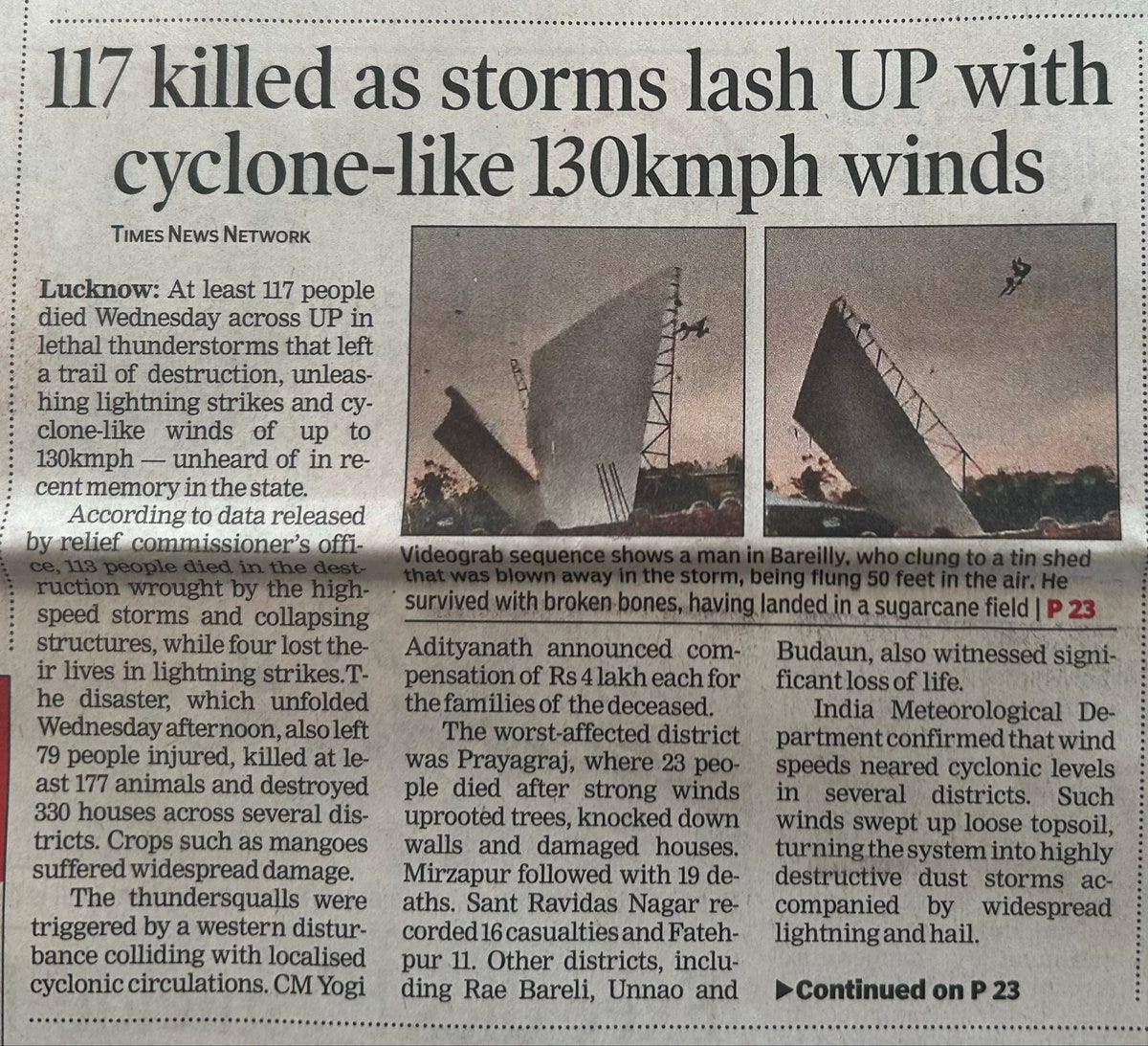
[2] The other central factor is the normalisation of climate collapse itself. Under capitalism, nature is not merely commodified; that commodification is internalised so deeply that ecological destruction itself begins to appear inevitable and obvious. There is either complete detachment, where the view of nature purely as a resource for extraction is so ingrained that the crisis is seen as something trivial not worth deliberating or reflecting upon, or there is a quiet acceptance of ecological destruction as the unavoidable cost of development.
The climate crisis is then not experienced as a contradiction of the system, but as a byproduct of growth and progress. As is often the case, capitalism normalises catastrophe by presenting it as an economic necessity. It must be noted that both these options are available only to the section privileged enough to be insulated from the crisis. Those who bear the brunt of it, the daily wage workers, the displaced indigenous communities, the migrant labourers who are forced to exist as refugees in their own country, do not enjoy the privilege of choosing between accepting their conditions as the ‘cost of development’ after a lengthy discussion on the trade-off between production growth and climate action and ignoring the crisis altogether.
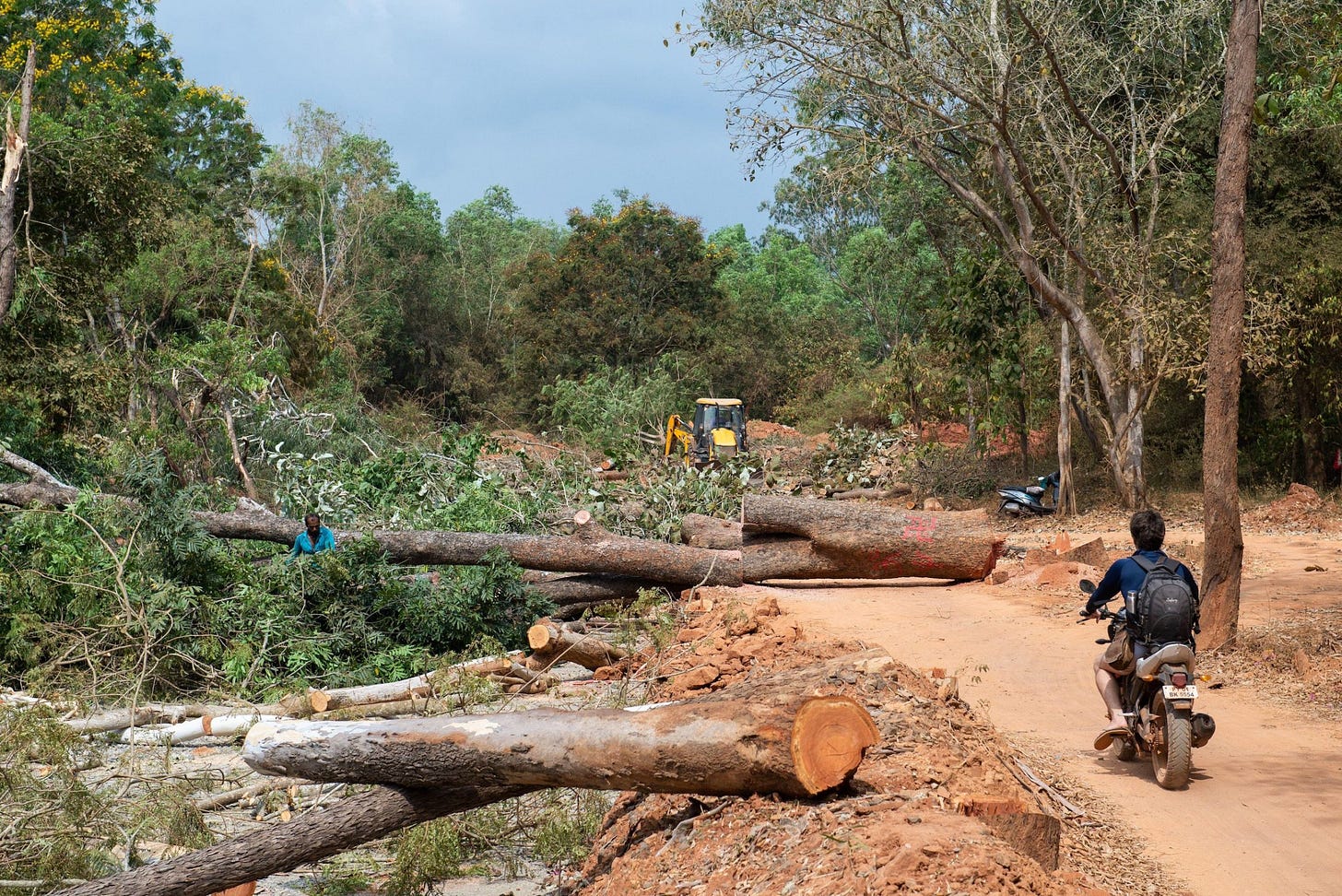
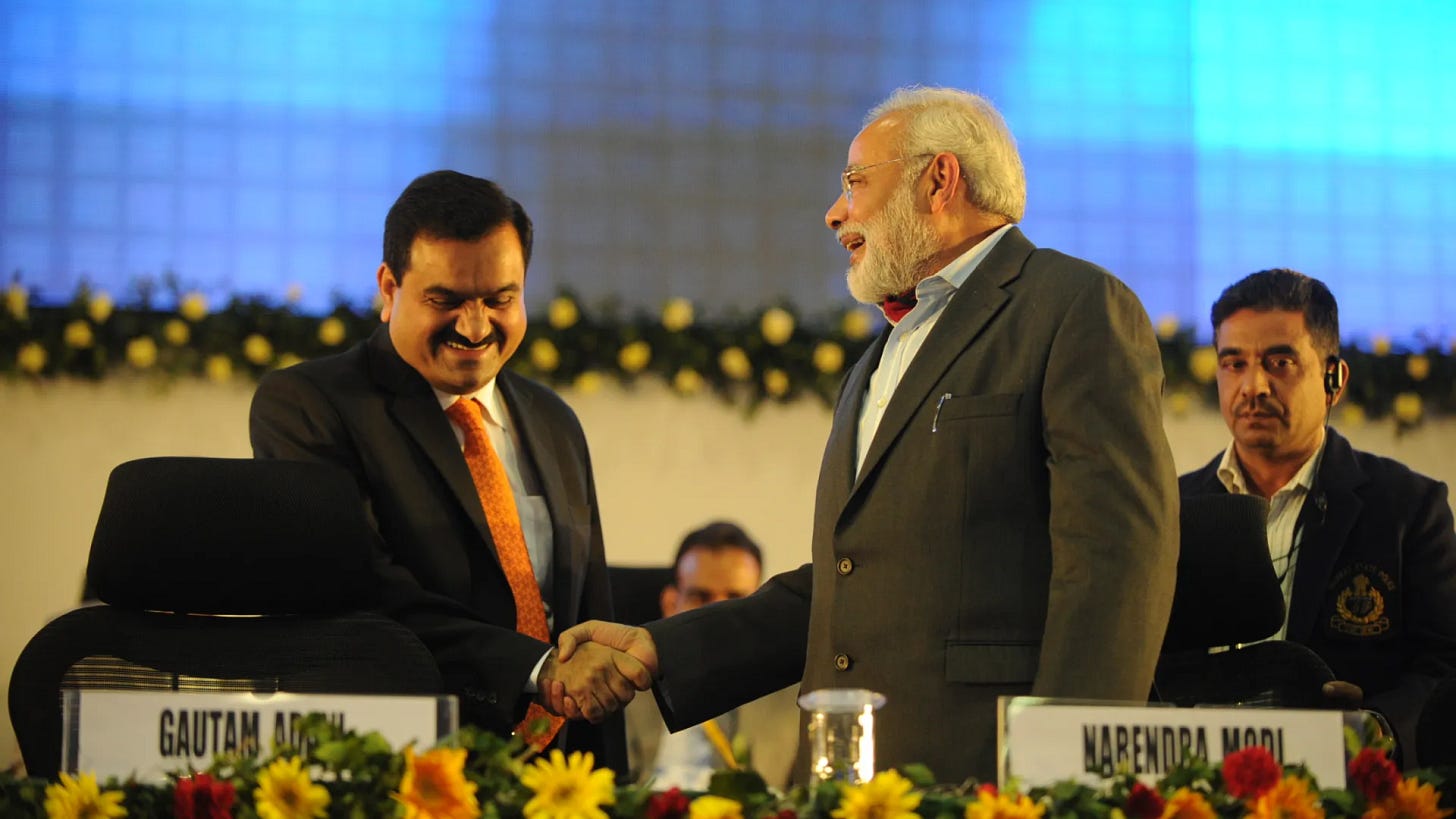
It would be naive to talk about the normalisation of the climate crisis without talking about the role of the Indian government. First-world industrialisation caused disproportionate historical emissions, the devastating consequences of which are still being borne by countries in the global south. And yet, governments avoids any structural confrontation. India, like most post-colonial countries, seeks foreign investment and GDP growth, which often comes at the cost of suppressing environmental resistance within the country and weakening labour and ecological protections in order to increase the ‘ease of doing business’ in the country. Climate discourse, therefore, becomes nationalist in nature, and making a case for the protection of the environment in the face of economic growth is seen as an anti-developmental stance.
However, we should also be careful not to flatten India into simply a victim of Western imperialism. India itself is one of the world’s top greenhouse gas emitters, and the same argument of economic growth is given by the government when domestic industrialisation is challenged within the country. The climate crisis is often downplayed or plainly denied. Indigenous lands, protected regions, riverbanks, and fertile farmlands are routinely handed over to industrialists and corporations to build infrastructure projects or start mining operations, and resistance from those affected and displaced is brutally repressed.
These two central factors, in my opinion, are the backbone of the apathy mechanism. They blend together to form a unique concoction that allows the privileged class to be indifferent towards the suffering of the underprivileged class in the furious face of the climate catastrophe.
Another argument that I find fascinating is one that Rob Nixon makes in his seminal work ‘Slow Violence and the Environmentalism of the Poor’. He defines the concept of ‘slow violence’ as violence that occurs gradually and out of sight rather than spectacularly or instantaneously. He says that since modern media systems are built around spectacle, people struggle to emotionally register violence when it lacks spectacle; but climate destruction is attritional. A climate catastrophe doesn’t feel violent in the same way a bomb blast or a mass shooting does, and so it is often overlooked, even though it causes much more harm and loss over time than spectacular violence. Nixon frames apathy not merely as individual failure, but as socially produced.
This is, however, not to say that there is no questioning and opposition from the privileged class. Resistance from inside the bubble is born sometimes out of genuine concern and sometimes out of guilt, but there are two structural flaws in this defiance.
The first is that since the privileged class already sees the underprivileged one as the (often inferior) ‘other’, it already presupposes its own superiority, and the only way it can then resist the indifference is by imagining itself as the saviour of these victims who are, even at their best, nothing more than objects of charity. Even when it is armed with compassion and intention, the privileged class fails to see the underprivileged as political subjects capable of independent resistance and agency.
The second flaw is its inability, or unwillingness, to recognise the climate catastrophe as a structural feature of capitalism rather than an accidental deviation from it. The crisis is treated as an unfortunate excess, a side effect of an otherwise functional system, instead of as the inevitable consequence of an economic order built upon endless extraction, production, and consumption. Capitalism requires perpetual growth to sustain itself, and perpetual growth necessarily demands the perpetual exploitation of nature. Ecological destruction is therefore not an anomaly within the system, but an inevitable outcome.
Once the crisis is separated from the system that produces it, responsibility itself becomes individualised. The question is no longer why corporations, industries, and states are permitted to devastate ecosystems in pursuit of profit, but whether individuals are ‘doing their part’ to deal with the crisis. Climate politics is transformed from collective political struggle into personal moral conduct, and the burden of solving a structural crisis is shifted onto isolated individuals, while the structures responsible for the crisis remain fundamentally unchallenged.
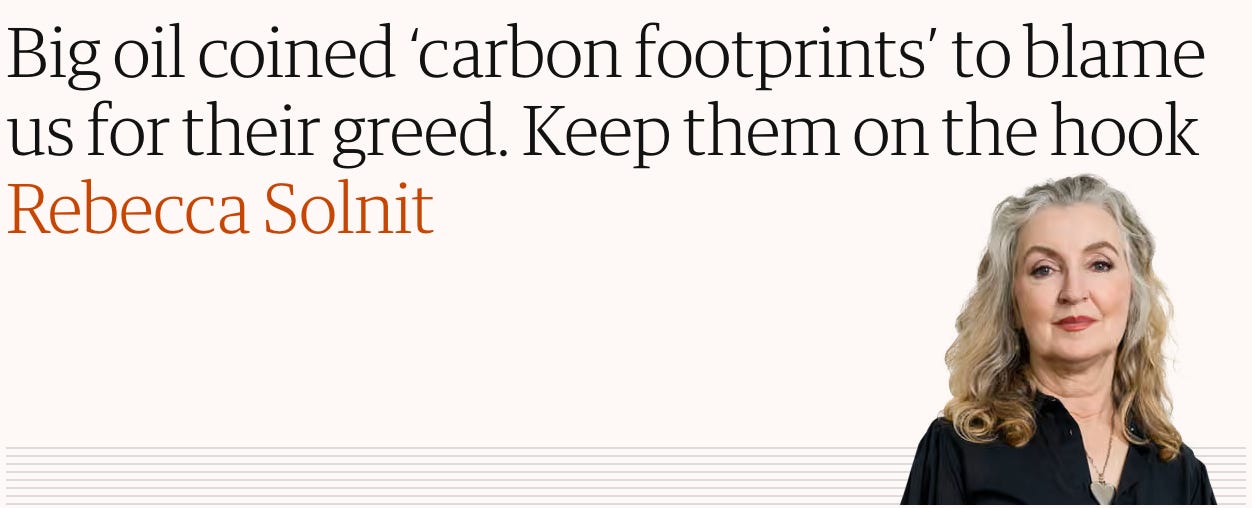
A fascinating natural consequence of this individualisation is an obsession with ethical consumption as the primary means of resistance. Green products, electric cars, sustainable brands, energy-efficient appliances, and eco-conscious lifestyles are presented as solutions capable of resolving ecological collapse. The same market logic that created the catastrophe is touted as its solution. This is not to say that such actions are entirely meaningless, but they remain deeply inadequate because they operate within the very framework that produced the crisis in the first place. Consumption itself is repackaged as activism and political action is reduced to mere purchasing decisions. Capitalism manages to contain climate anxiety without it ever reaching a point where the system or the privileged class itself is confronted.

In this sense, much of mainstream environmentalism functions less as a challenge to capitalism and more as a mechanism for managing guilt or concern within it. One is encouraged to simply consume differently rather than question why endless consumption is treated as necessary at all.
Outside of mainstream discourse, however, genuine confrontational resistance has always existed. From indigenous communities resisting mining projects and deforestation, to workers striking against lethal labour conditions, to farmers protesting land acquisition and displacement, those most exposed to climate catastrophe have long endured it not as a future crisis, but as a present condition of life under capitalism. Their struggle has never simply been for survival within the existing order, but against the order itself that treats their survival like an afterthought.
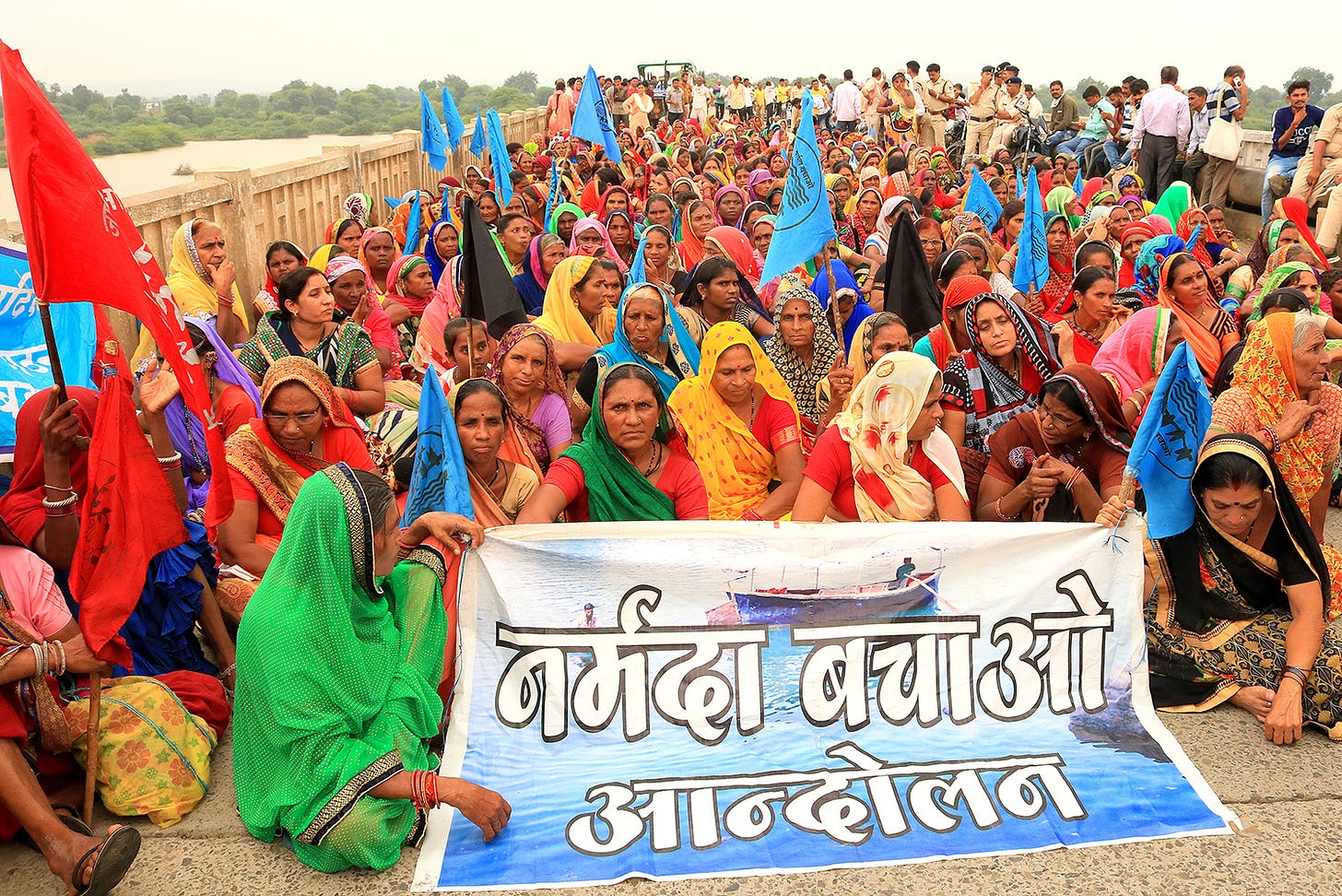
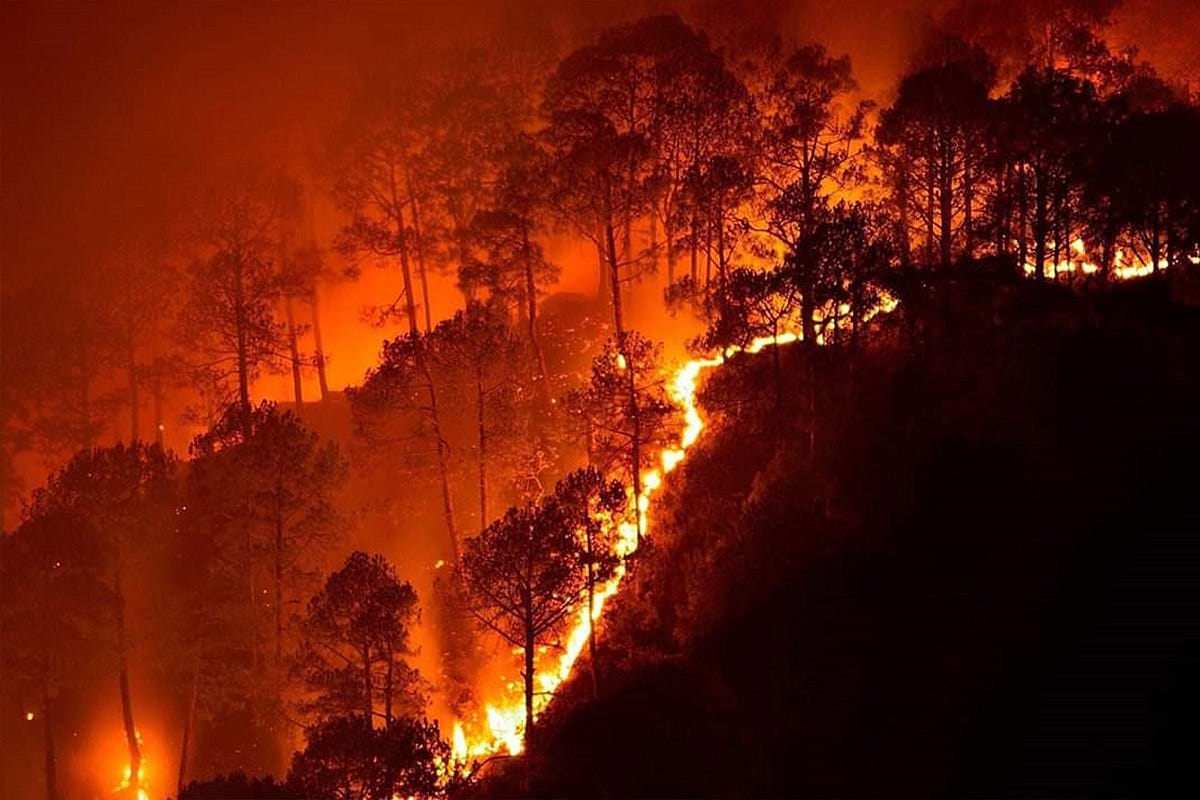
The task, then, is not merely to force the privileged to acknowledge suffering, nor to persuade them into more ethical forms of consumption. It is to rupture the bubble entirely: to destroy the conditions that allow catastrophe to be experienced differently across class lines, and to build collective resistance against the economic system that depends upon this unequal suffering to sustain itself. As of today, 95 out of the 100 hottest cities in the world are in India. Soon, much of our country will be rendered uninhabitable. The fire is no longer on the horizon; it’s already here, consuming in its wrath those deemed disposable first, creeping slowly up into everything — the fire this time.
Read next
Online Reading and Screening| To Vote Is Not A Choice
Join us as we read, discuss, and collectively build clarity.
Online Reading and Screening| To Vote Is Not A Choice
Join us as we read, discuss, and collectively build clarity.
“Vote Chori”, SIR and Current Outburst
Where is the Movement Headed and What Must We Do?