The Dalit Panthers: A Legacy of Revolutionary Anti-Caste Politics
Remembering the movement that changed forever the meaning of anti-caste politics in India with its revolutionary approach
Contents
Who Were the Dalit Panthers?
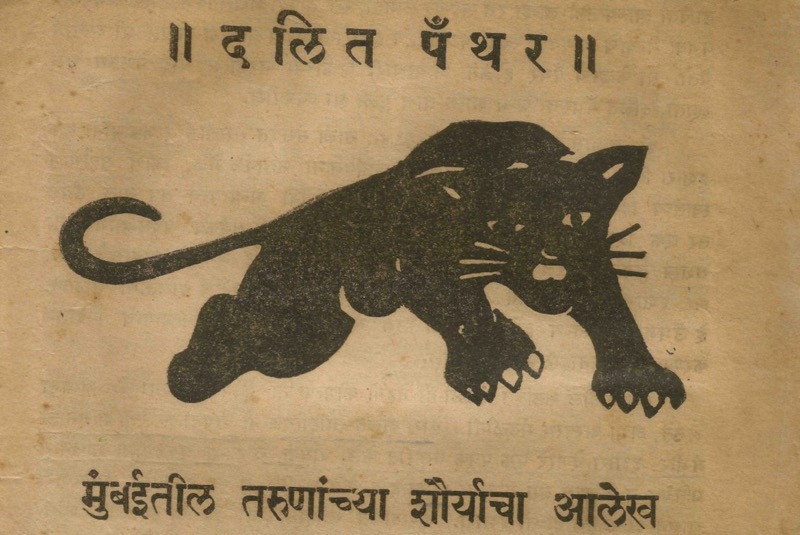
The Dalit Panthers were a radical anti-caste political and social movement formed in India in 1972 by poets and writers Namdeo Dhasal, Raja Dhale, Arun Kamble and J.V. Pawar. Deeply influenced by the struggles of the Black community in the US, they sought to confront the entrenched caste system and the state’s failure to protect Dalit lives. The Panthers emerged as a powerful and unapologetic voice of Dalit resistance, combining Ambedkarite ideology with a militant stance that broke away from the limitations of peaceful, intellectual protest.
The Internationalist Outlook
The Dalit Panthers drew direct inspiration from the Black Panther Party, formed in 1966 by Huey P. Newton and Bobby Seale in the United States, which challenged police brutality and systemic racism through militant self-defence and community mobilisation. Dalit Panther leaders saw clear parallels between the violence faced by Black Americans and the caste-based atrocities in India. They borrowed both the name and the spirit of confrontation, replacing “Black” with “Dalit” to articulate a distinct but connected experience of structural oppression. Like the BPP, they believed that mere appeals to the state were insufficient; what was needed was assertive resistance and the empowerment of oppressed communities from below.

Under What Conditions Were They Formed?
The Panthers were born out of rage, particularly after a series of brutal caste atrocities that exposed the hollowness of the Indian state’s commitment to justice. A defining incident was the public parading of two Dalit women in Brahmangaon, Maharashtra, who were stripped and humiliated simply because their shadows had allegedly touched a village well. Around the same time, the Indian government under Indira Gandhi had set up a committee in 1972 to investigate the growing violence against Dalits, but the report, documenting widespread abuse, was deliberately withheld for more than two years. This withholding of justice, alongside the everyday exclusion of Dalits from land, labour rights, education, and dignity, convinced the Panthers that they could no longer rely on the state or mainstream political parties. They believed Dalits had to take control of their own narrative and defend their rights with clarity, courage, and collective strength.
What Was Their Politics?
The Panthers’ politics were grounded in the belief that caste oppression was not accidental or cultural—it was a system maintained by the state, law, and society. They aligned with Ambedkar’s call for social revolution but moved further by rejecting any form of appeasement or token representation.
In their own words: “True independence is one that is snatched forcibly out of the hands of the enemy. One that is like bits thrown to a helpless beggar is no independence.”
The Dalit Panthers Manifesto (Bombay, 1973) made it clear that the struggle for India’s independence had only served national capitalists, landlords, and feudal elites—not the Dalits, workers, or landless poor. Their vision was of a people’s democracy where the oppressed would hold the power and not a tiny minority. They sought to build an alliance of the oppressed, across city factories, in all villages to dismantle the varna system.
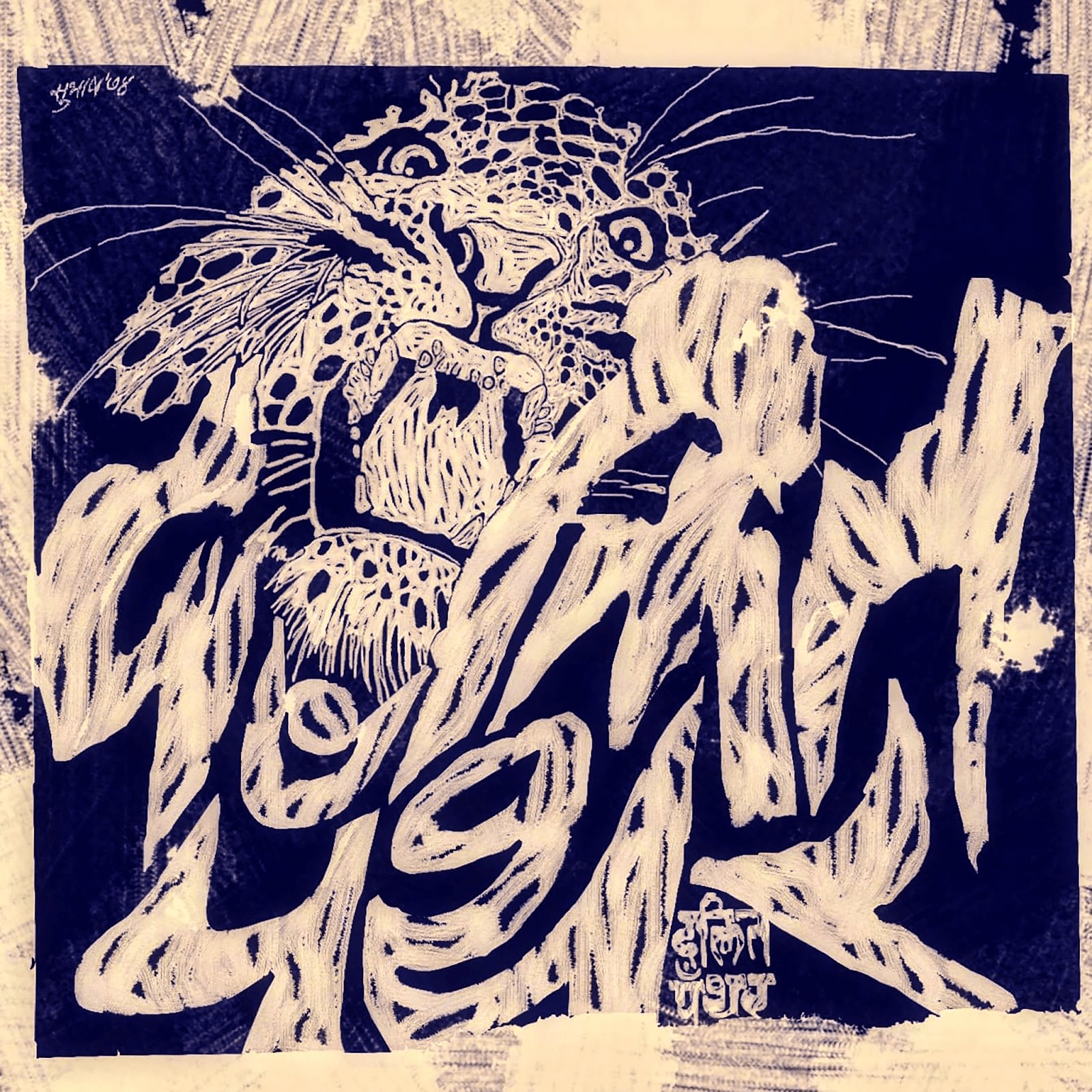
“Truly speaking, the problem of dalits, or scheduled castes and tribes, has become a broad problem, the dalit is no longer merely an untouchable outside the village walls and the scriptures. He is untouchable, and he is a dalit, but he is also a worker, a landless labourer, a proletarian. And unless we strengthen this growing revolutionary unity of the many with all our efforts, our existence has no future.”
— Dalit Panthers Manifesto, Bombay 1973
How the State Repressed the Panthers
The movement’s rising popularity and radical clarity posed a serious threat to the political establishment, particularly the Congress party, which was in power at the time. Although mainstream parties claimed to include Dalits, they deliberately kept them away from actual power, offering only low-level, symbolic roles. The Dalit Panthers disrupted this arrangement.
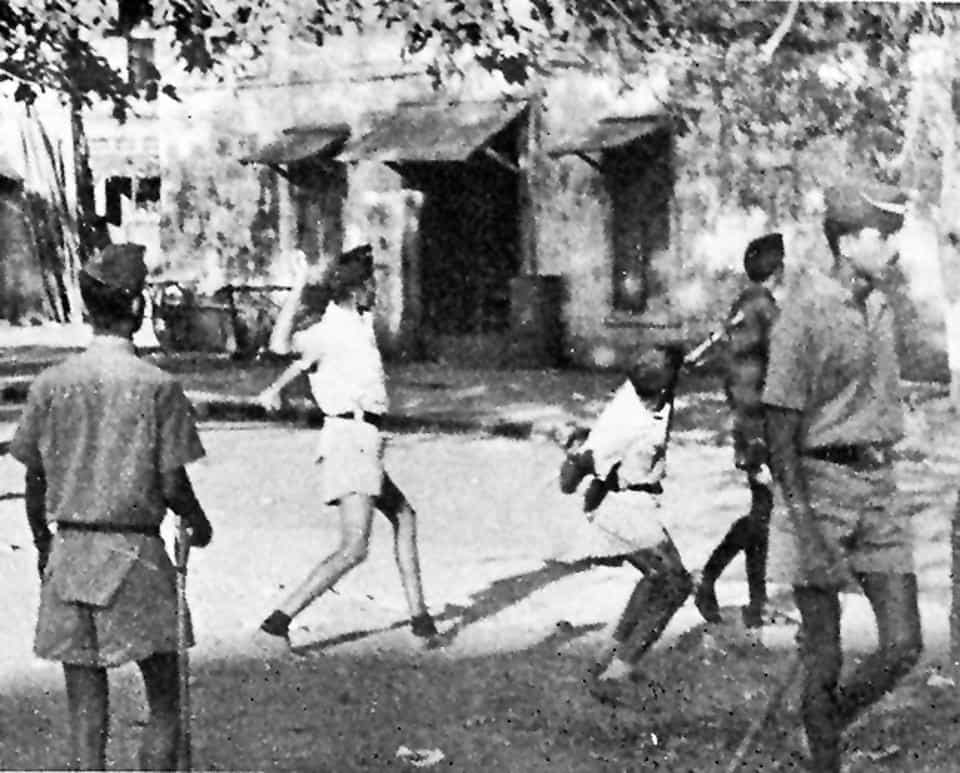
As J.V. Pawar recounts, the state launched a systematic campaign to destroy the organisation using legal and institutional means. Cases were filed against Panther leaders in districts hundreds of kilometres apart, making it financially and logistically impossible for them to appear in court. They pleaded for all cases under Section 153 to be heard in one place, but the state refused. Instead, the absence of the accused in court was used as a pretext to jail them.
Simultaneously, the government began co-opting individual members and spreading internal divisions. This multi-pronged attack of legal harassment, surveillance, infiltration, and demobilisation, ultimately disintegrated the organisation by 1975.
What Is the Relevance of the Dalit Panthers Today?
Even though the Dalit Panther movement formally lasted only three years from May 9, 1972 to June 12, 1975 its relevance endures. The Panthers showed that radical resistance is not just possible, but necessary when structural injustice is normalised. They refused charity politics and demanded structural change, reminding us that Dalit empowerment must come from within, not from the hands of those in power.
In an era when caste violence continues and political tokenism persists, the Panthers' words still burn with truth: “The present legal system and state have turned all our dreams to dust… To eradicate all the injustice against the Dalits, they must themselves become rulers.”
Their legacy lives on in today’s anti-caste movements, in student protests, cultural assertion, and transnational solidarities. The fight they began for dignity, justice, and a new imagination of democracy remains unfinished and urgently relevant.
The Young Political Workers is carrying forward the Dalit Panthers’ legacy by spreading revolutionary political education. As platforms like Instagram suppress political content, we are moving to Substack to share unfiltered ideas. Subscribe to The Revolutionary Youth Bulletin. Your financial support will help us expand into physical spaces and publications, continuing the fight against caste oppression and systemic injustice.
Read next
Online Reading and Screening| To Vote Is Not A Choice
Join us as we read, discuss, and collectively build clarity.
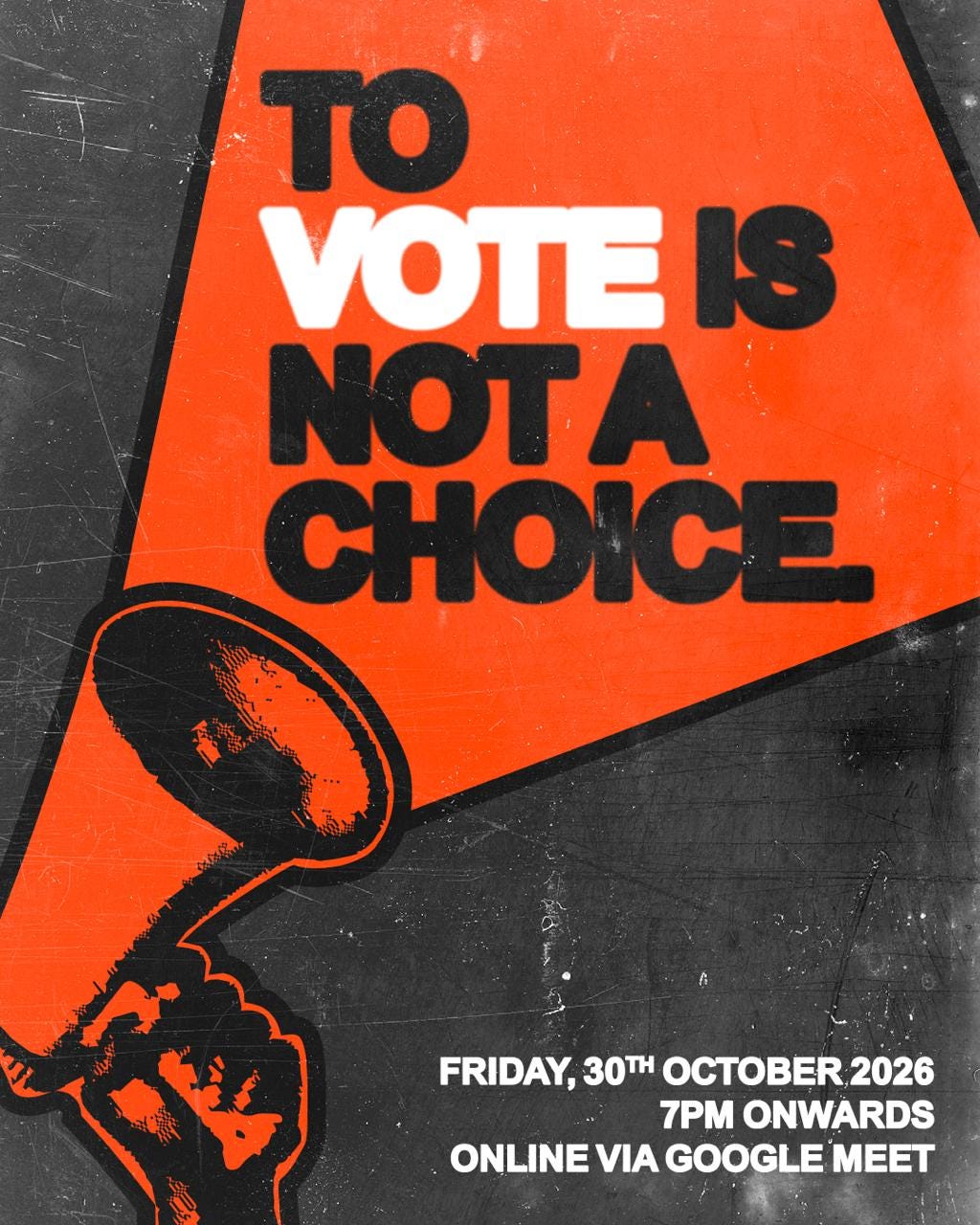
Online Reading and Screening| To Vote Is Not A Choice
Join us as we read, discuss, and collectively build clarity.
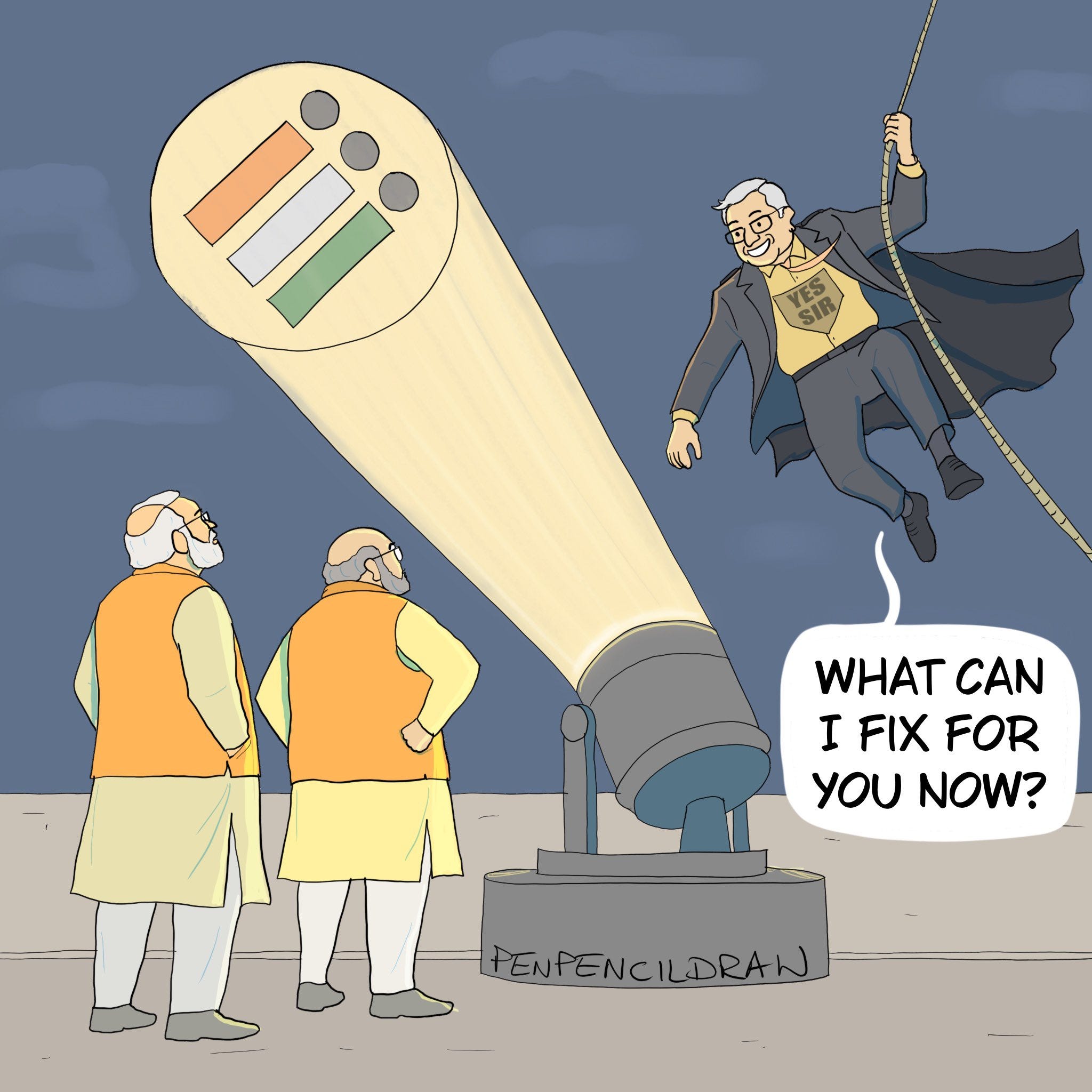
“Vote Chori”, SIR and Current Outburst
Where is the Movement Headed and What Must We Do?