Sexual Violence as a Tool of Oppression During Wars
Contents
Gendered violence refers to harm inflicted on people, usually women, because of their gender or sexuality. It is not simply a set of isolated crimes, but a system of violence tied to the reproduction of patriarchy and class domination. During wars, sexual violence like rape, forced pregnancies and sexual torture has historically been deployed not as a by-product of conflict, but as a weapon in itself. Women’s bodies are violated to punish communities, weaken morale and mark entire populations as conquered.
Understanding sexual violence as a tool of oppression during wars means seeing it not as ‘collateral damage’ but as a deliberate strategy. It is a practice that links patriarchy, nationalism, capitalism and imperialism to ensure domination. Kate Millett, in Sexual Politics, argued that patriarchy is not “natural” but an institutional system of control. Sylvia Federici showed how capitalist accumulation depended on disciplining women’s bodies through violence, from witch hunts to the policing of reproduction. These insights remind us that sexual violence is a conscious act to reproduce the very systems of oppression that wars are fought to “protect”.
Historical Overview: Sexual Violence as a Weapon of War
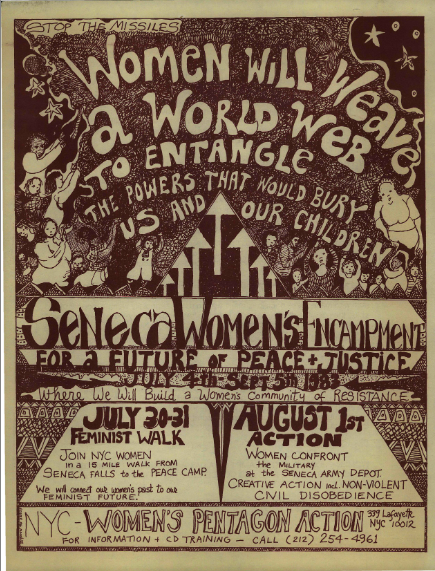
History is filled with examples of armies systematically using sexual violence. During colonial conquest, European armies raped, enslaved and colonised women as a way of enforcing domination. In World War II, the Japanese military institutionalised mass rape through the ‘comfort women’ system. During the Partition of India, the abduction and rape of women symbolised the destruction of communities and the reshaping of nations.
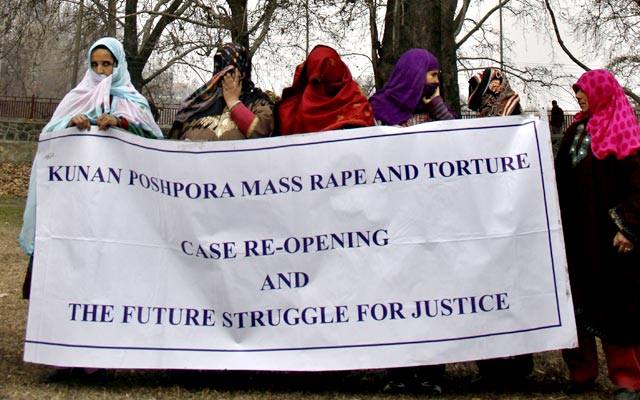
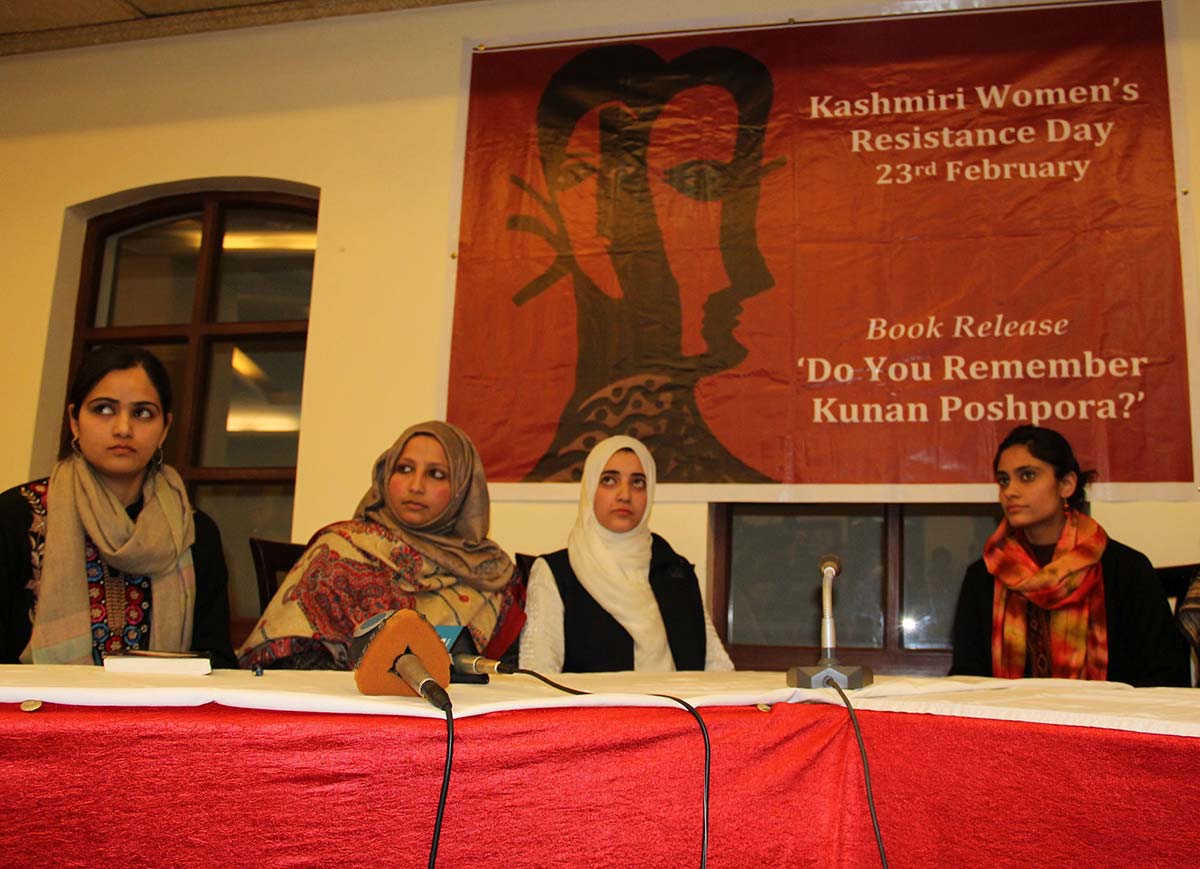
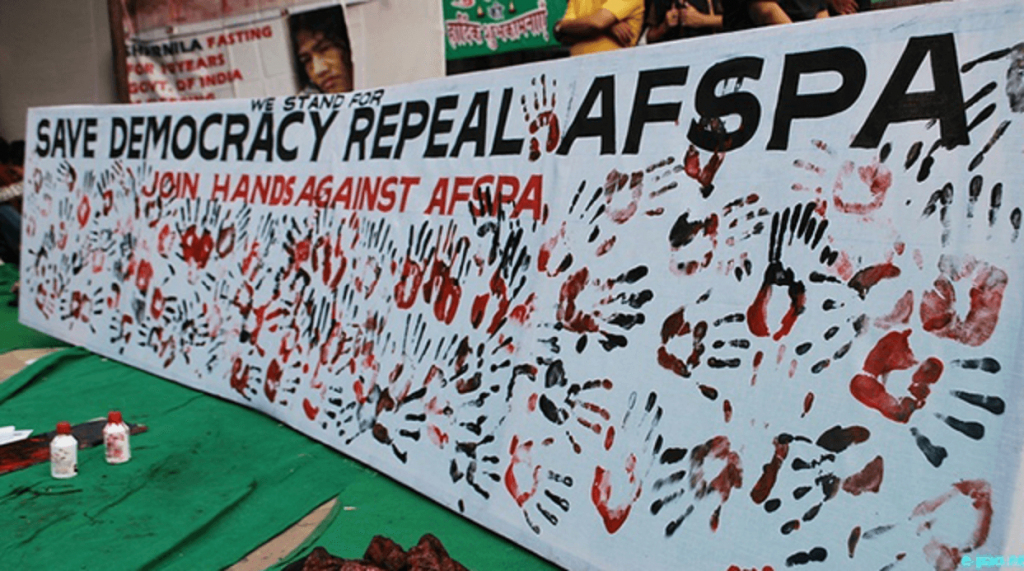
In India-occupied Kashmir, this logic is evident. Women are raped during crackdowns and search operations, particularly when men are absent. The 1991 Kunan and Poshpora case, for example, shows how soldiers of the 4th Rajputana Rifles gang-raped 23-100 women. Survivors have fought decades-long legal battles, but the Indian state has stalled investigations, shielded perpetrators and smeared the victims’ testimony as fabricated. The Armed Forces (Special Powers) Act ensures that soldiers are shielded from prosecution, while Kashmiri civilians detained under the Public Safety Act are denied bail or legal support. This is how the Indian state institutionalises impunity: protecting perpetrators within its armed forces while excluding victims from justice.
Far from being accidental, this system reflects what Lenin called the hypocrisy of bourgeois states, which invoke order and morality while enabling systemic violence. Rape in war is a message to the community that resistance will be met with dishonour, violence and silence. Sexual violence serves to terrorise populations, to fracture social bonds, to impose humiliation and to demonstrate the conqueror’s masculinity.
Marxist Analysis of War and Patriarchy
War always serves capitalist accumulation and state power. Armies and militaries exist to defend class rule and they reproduce patriarchy by militarising masculinity: by casting men as protectors, while women’s bodies are turned into symbols of honour and shame. Rape then becomes a calculated weapon that enforces submission.
Sylvia Federici, in Caliban and the Witch, explained that women’s bodies have always been central to how capitalism works. During the birth of capitalism in Europe, women were violently stripped of control over their own sexuality and reproduction. Witch hunts, rape and forced pregnancies were methods to make women dependent on men and to ensure that new generations of workers would be produced for the emerging capitalist system. Capitalism needed women to create and raise the workforce, but only under strict control. In wartime, the logic is the same, with sexual violence becoming a way to dominate women, and through them, entire societies.
Angela Davis made a similar point in her studies of slavery. She showed that enslaved women in the United States were routinely raped not just for the gratification of slave-owners, but because their children would automatically become slaves too. Sexual violence was therefore part of the machinery of the slave economy. During war, rape functions in the same way by maintaining systems of control, breaking resistance and reproducing inequality.
Engels, in The Origin of the Family, Private Property and the State, argued that women’s oppression began with the rise of private property, when men sought to control women’s labour and sexuality in order to pass property to their heirs. Alexandra Kollontai expanded this, insisting that family under capitalism turns women into dependents of men and the state. Women cannot be free while their social role is confined to reproduction for the nation and household. And, in war, this family-based subordination makes women especially vulnerable; when women are treated as the property of men or the “honour” of the nation, their violation becomes a symbolic act of conquest. Sexual violence is thus based on treating women as property to be owned, exchanged or violated.
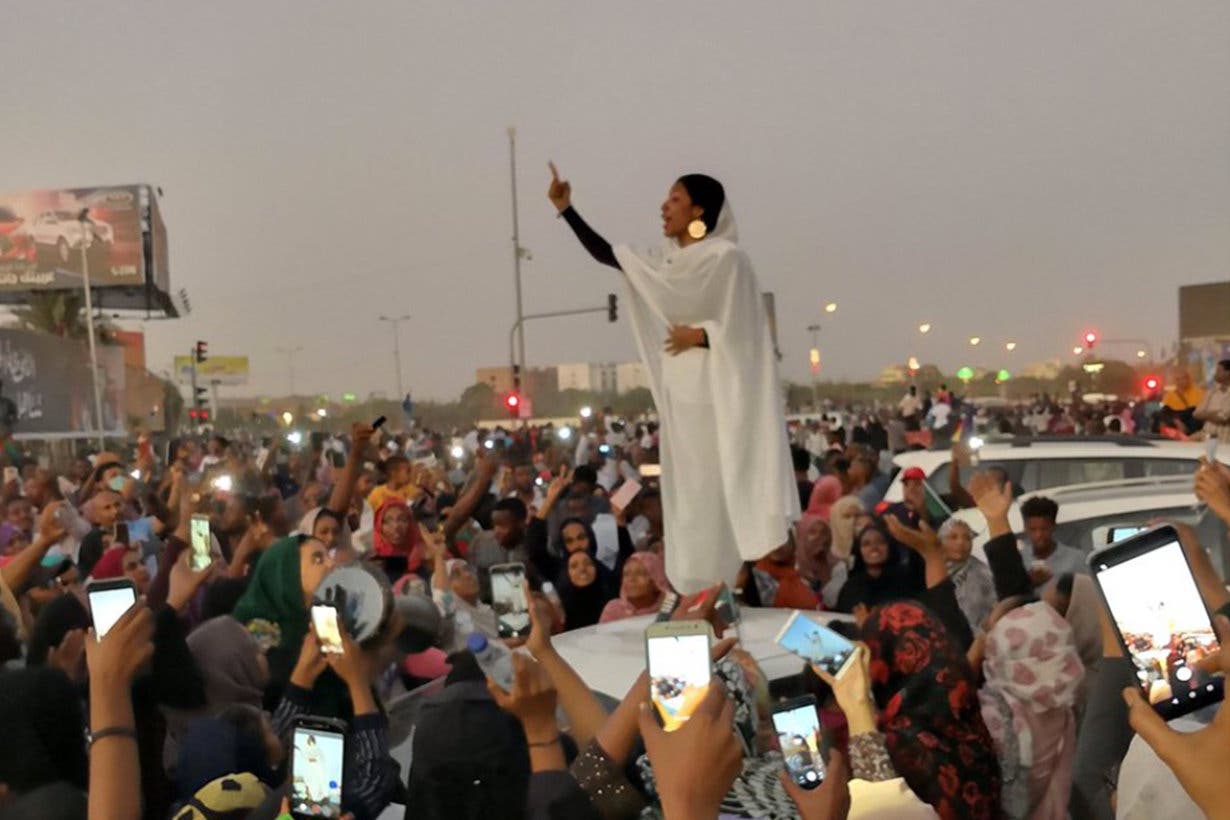
The Sudanese conflict illustrates this today. Women historically revered as Kandakas, or warrior queens, are systematically targeted by militias like the RSF. Survivors face not only trauma but also social stigma, preventing many from seeking medical care. Doctors describe this silence as an extension of the violence itself. This shows how patriarchal ideas of purity intersect with militarised masculinity to make women’s pain a political instrument.
So, sexual violence in war cannot be separated from capitalism or patriarchy. Women’s bodies become the terrain where class domination, property relations and nationalist power are violently enforced. To end this, we cannot rely on law or punishment alone; we must dismantle the very systems that make such violence functional.
Sexual Violence in Wars Around Us
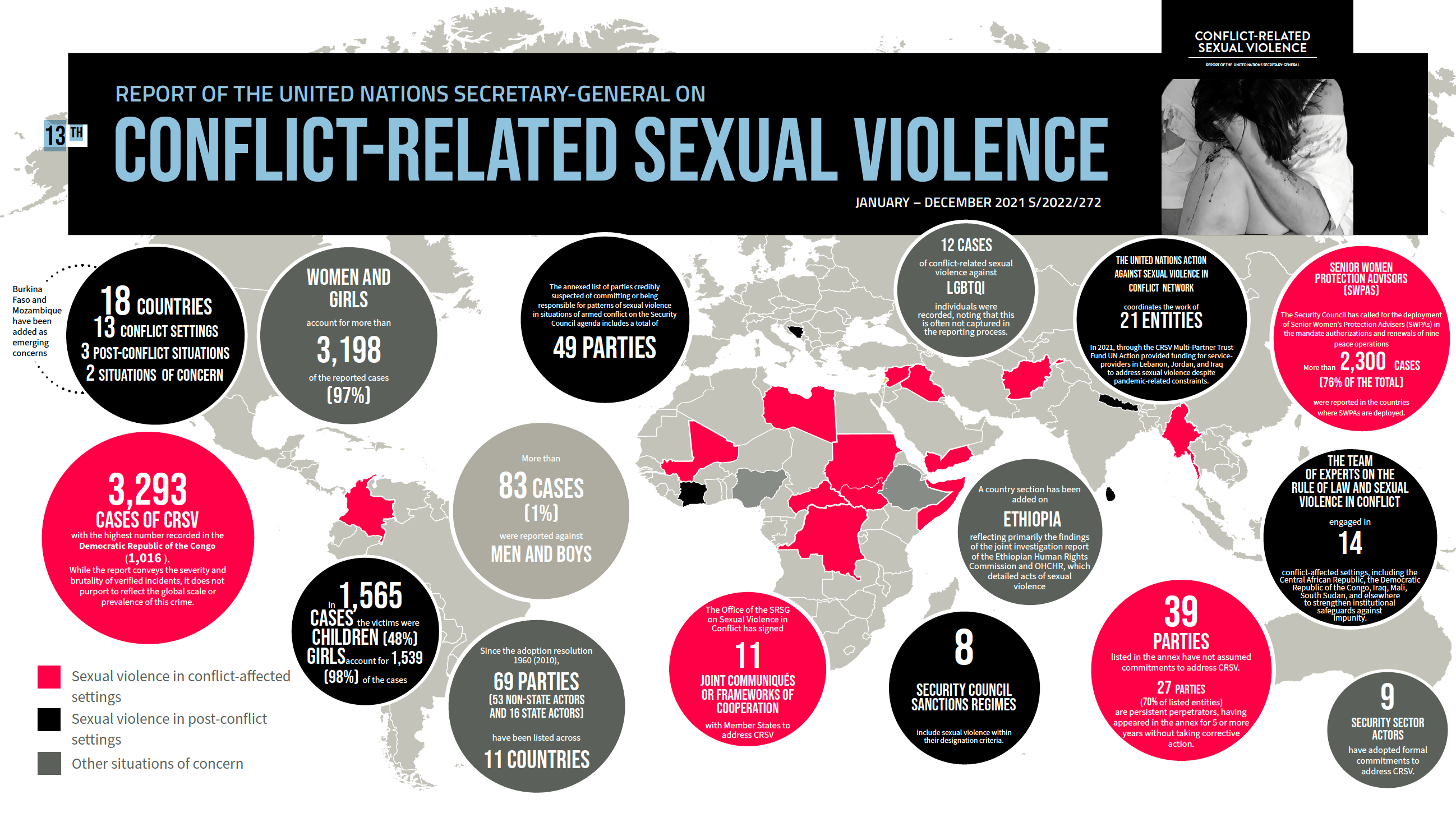
In Palestine, women have been detained, assaulted, stripped, raped and violated as part of Israel’s brutal genocide.
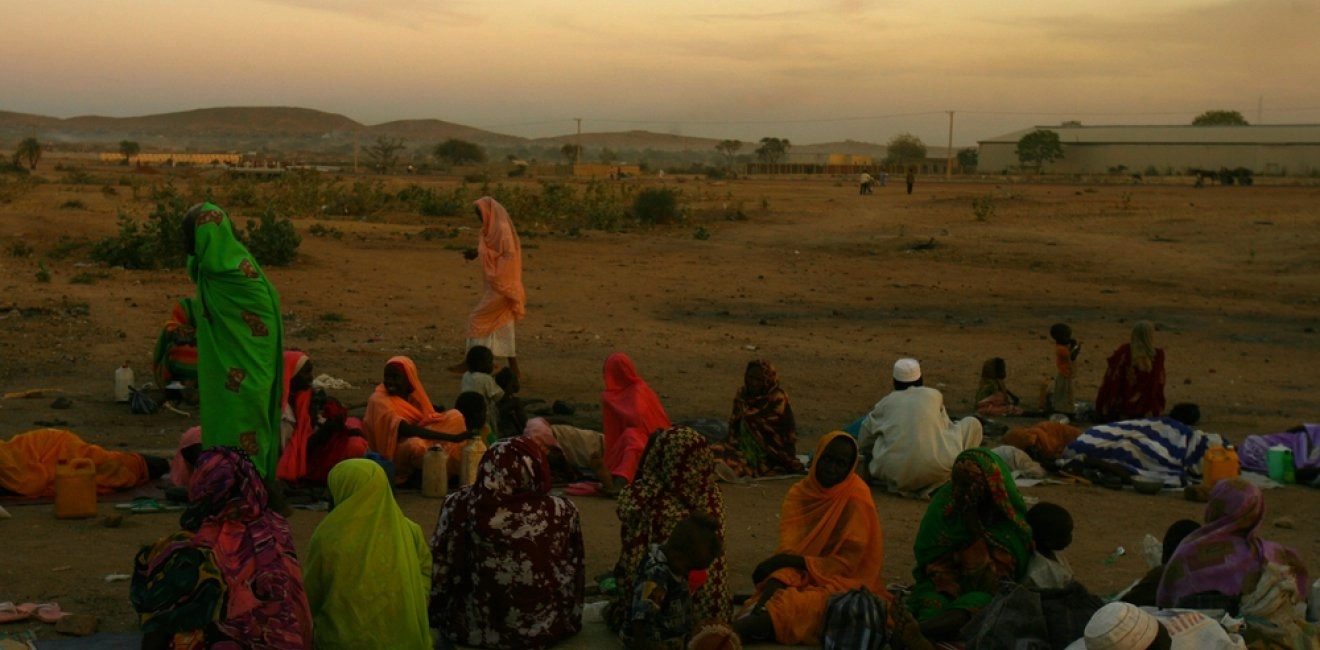
In Sudan and the Congo, the military uses rape as a widespread strategy of terror. Fighters often attack women in their homes, in front of their families, to destroy both individuals and communities.
In Syria, both state forces and militias have used rape in detention centres and during raids. Refugee women fleeing Syria have been subject to trafficking, forced marriages and sexual exploitation in camps.
In Ukraine, there are documented cases of Russian soldiers raping women during the invasion.
Justification of Gendered Violence
States often use nationalism and morality to control women’s bodies. Birth control and non-procreative sex are condemned, while women’s sexuality and reproduction are treated as resources that are expected to produce children, uphold the family, or even be sold through prostitution and pornography. In this way, women’s sexual lives are made to serve economic and political needs, rather than belonging to themselves. By spreading ideas that women are naturally weak and emotional, this subordination is made to appear normal and justified. This “naturalisation” of women’s inferiority further justifies their subordination and exploitation.
The justification of this violence often relies on a linguistic and ideological process of erasure and reinterpretation of reality; oppressors consistently reframe the resistance of the oppressed as inherently “violent” or “barbaric” to divert blame. In the context of rape, slave narratives detailing sexual victimisation have often been reinterpreted in traditional literature as “miscegenation,” implying “delight, affection, and love” rather than sexual exploitation. This narrative allows framing sexual coercion as a natural outcome of social relations rather than an act of violence.
The state’s monopoly on violence, exercised through its military and police forces, naturally shields their actions from scrutiny, giving a free pass to gendered sexual violence. The vast majority of rapes remain unreported, untried and unconvicted, largely due to the unchallenged authority. Prisons, as instruments of state violence, contribute to this impunity, with violence, particularly against vulnerable groups like trans women, being “encouraged by the institutions themselves”.
State: Protector or Perpetrator?
During wartime, the state presents itself as the protector of women against sexual violence. Liberal feminists (for example, the “carceral feminist” approach) often argue that better laws, legal reforms or stronger policing can guarantee women’s safety. But the very institutions that are supposed to prevent violence — the state, the military, the courts — are the ones that carry it out, or shield perpetrators through impunity. Laws like AFSPA in Kashmir or military exemptions elsewhere show how the legal system itself becomes an instrument of oppression, not protection.
Nationalism also plays a key role. Women are cast as symbols of cultural “honour” and their bodies made to stand in for the purity or strength of the nation. This symbolic role is then used to justify further militarisation. The state claims it is protecting women, but in practice this becomes an excuse for greater violence where women are tightly controlled, watched, and punished if they step outside the roles assigned to them. Religious fundamentalism and conservative ideologies strengthen this logic, making women bearers of the nation’s morality, and further justifying state and societal control over women’s bodies.
In reality, the state is not a protector, but an active perpetrator. Its institutions enable and legitimise sexual violence, while its propaganda manipulates women’s “protection” to justify militarism, nationalism and continued patriarchal control.
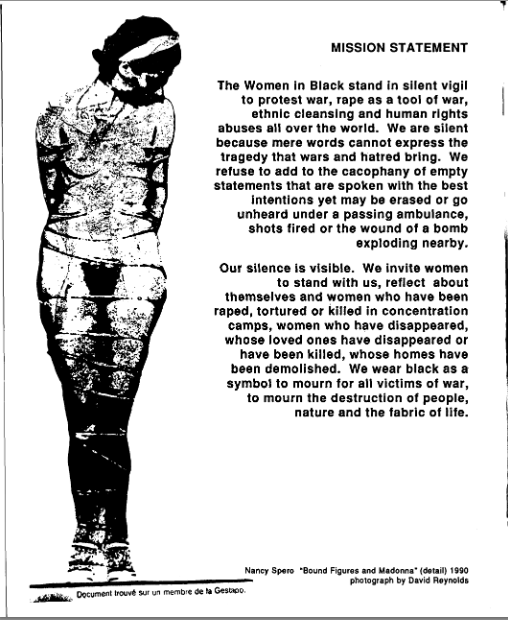
Women’s Movements Against War and Militarism
Throughout history, women’s grassroot movements have been involved in struggles against war and militarism, often adopting anti-imperialist and anti-capitalist stances. These struggles have confronted patriarchy and state power simultaneously. In Africa, women’s movements resisted structural adjustment policies and land privatisation imposed by institutions, while also linking to the anti-apartheid struggle. Across Asia, from South Asia to Indonesia, Malaysia, Vietnam, and Korea, movements challenged colonial and racist states as well as entrenched patriarchal and feudal orders. In these regions, the fight for gender equality was inseparable from struggles for national liberation against imperialism. Movements led in the Middle East with women in the forefront include the Palestinian Liberation Movement against the Israeli occupation, movements in Egypt, Iran, and Turkey, where the people organised, showcasing collective resistance against the government’s policies and its authoritarianism.
Hence, true liberation requires an anti-capitalist, anti-imperialist feminism, because patriarchy does not operate in isolation; it is bound to the state, the family, private property, and the wars of empire.
Feminist Solutions for Ending War
If sexual violence in war is structural, then the solutions must be structural too. A Marxist feminist approach insists that dismantling patriarchy is inseparable from dismantling capitalism and imperialism. Megan MacKenzie and Nicole Wegner, in their work Feminist Solutions for Ending War, give some insights:
Transform the economy: Build societies around care, equality and ecological repair instead of profit and militarism.
Abolish militarism: From nuclear weapons to occupations and prisons, dismantle the institutions that make patriarchal violence possible.Feminist organising from below: Strengthen networks of women resisting militarisation and state violence on the ground.
Collective responsibility for peace: Replace the “protector state” with grassroots solidarity and everyday practices of non-violence and care.Redefine security: Challenge colonial and heteropatriarchal ideas of “security” by embracing ways of living that value land, relationships and community over war and profit.
Redefine how we remember war: State memorials often glorify soldierhood and nation, quietly training people to accept war as natural and endless. We must strive to dismantle this outlook.
Conclusion
Sexual violence in war is never random. It is structural, systemic and deeply tied to capitalism, patriarchy and imperialism. As Carol P. Christ says, patriarchy is an “integral system created at the intersection of the control of women, private property, and war — which sanctions and celebrates violence, conquest, rape, looting, exploitation of resources, and the taking of slaves”.
Ending gendered violence in war requires more than reforms or legal measures. It demands transforming the material conditions that produce both war and women’s oppression: dismantling capitalism, abolishing imperialist domination and breaking the patriarchal structures that reproduce women’s subordination. Only a revolutionary, anti-imperialist and anti-capitalist feminism can challenge the system that violates women’s bodies.
Read next

Online Reading and Screening| To Vote Is Not A Choice
Join us as we read, discuss, and collectively build clarity.
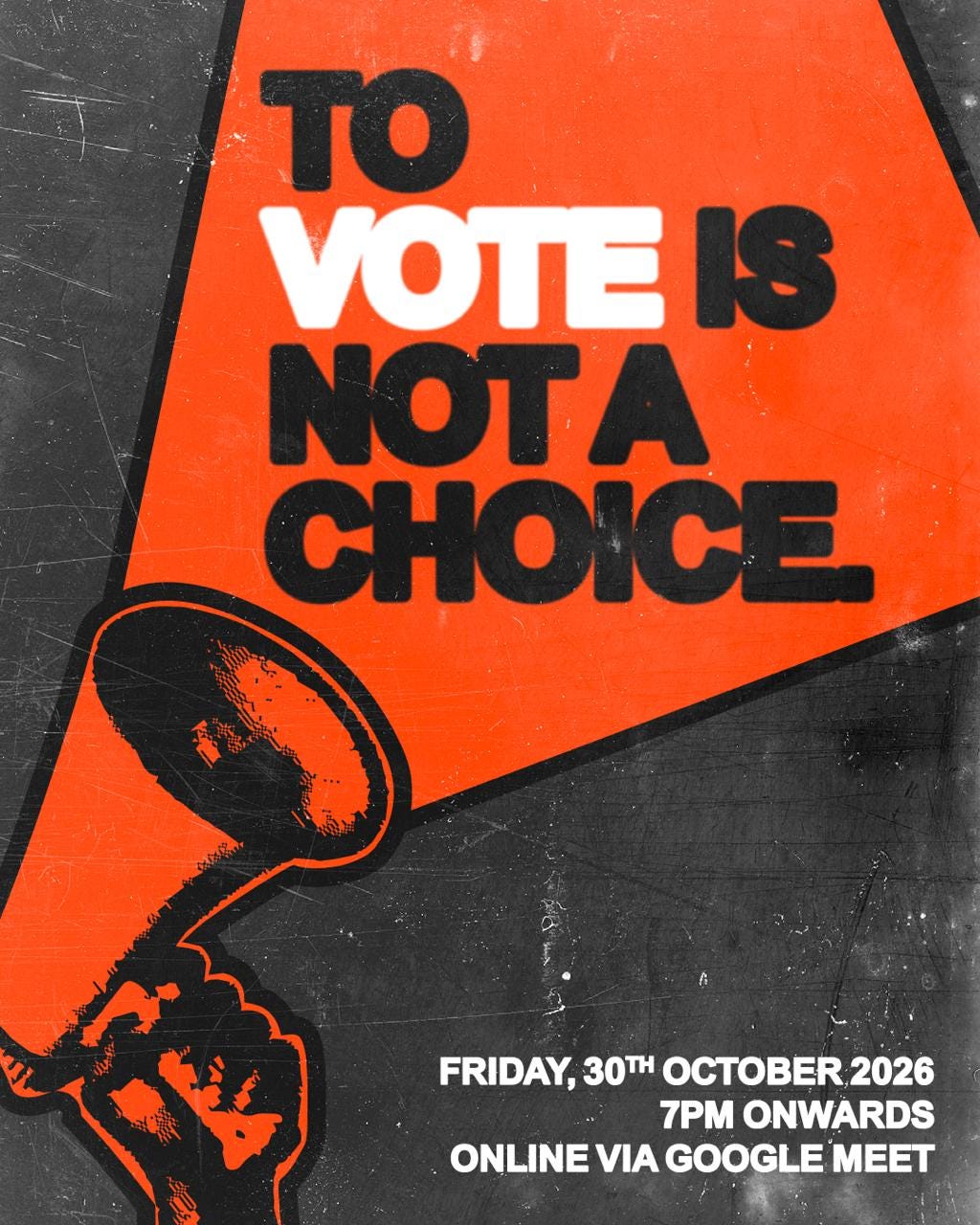
Online Reading and Screening| To Vote Is Not A Choice
Join us as we read, discuss, and collectively build clarity.
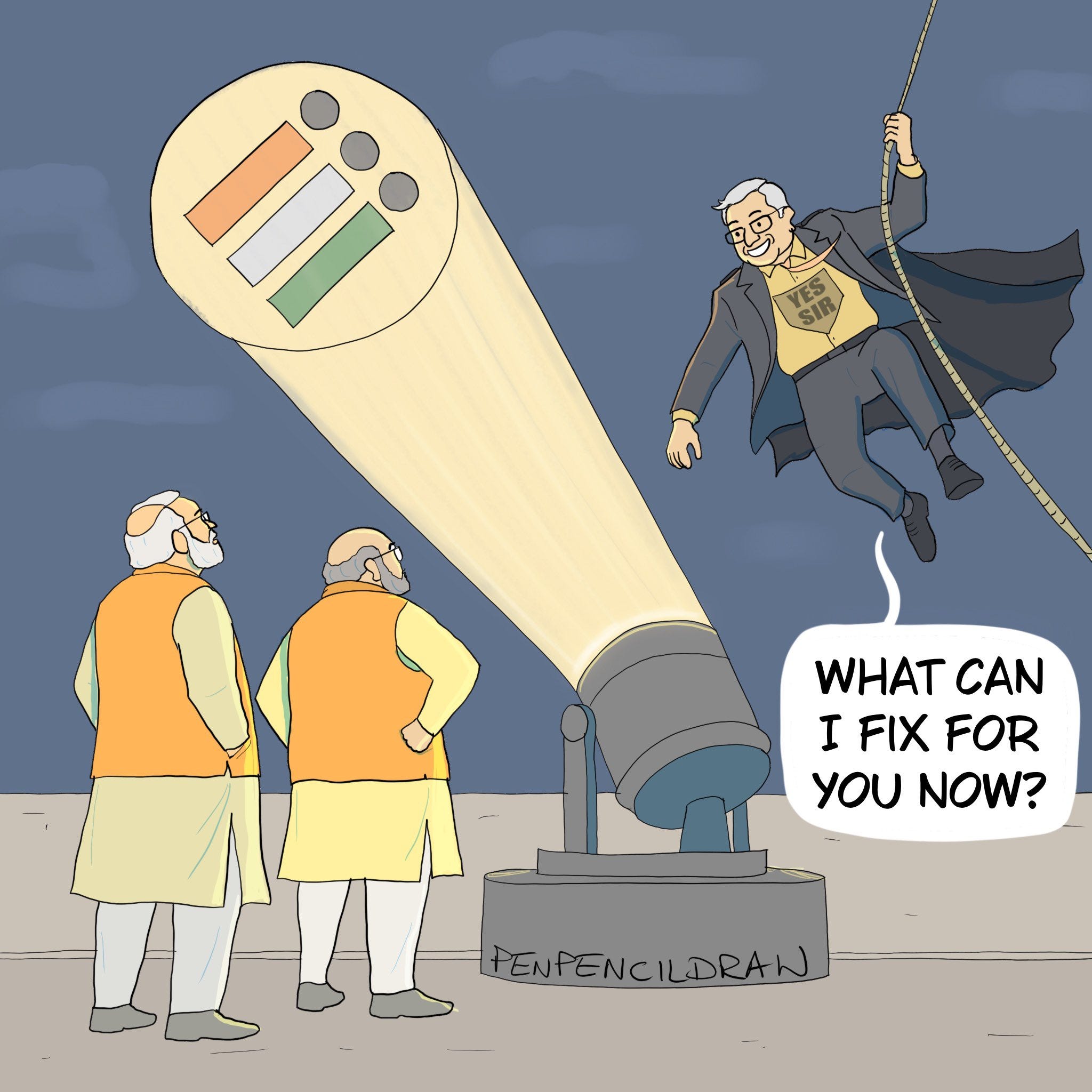
“Vote Chori”, SIR and Current Outburst
Where is the Movement Headed and What Must We Do?