Consciousness in the Germ of Capitalism
What does the idleness, ignorance and despair of today teaches us
Contents
“We are taught to treat our despair as a natural law of existence. But what if our helplessness is a manufactured illusion, and history is blindly awaiting our conscious effort to change its course?”
Karl Marx, Theses on Feuerbach, 1845
The importance of a single human being, the weight of human existence, and the ultimate “meaning of life” have long been subjects of intense study, conflict, and discussion among philosophers. At some point in our lives, we all encounter these questions in our own personal ways. We either find a fleeting, personal sense of purpose, or we find ourselves perpetually conflicted, forever searching for a motive.
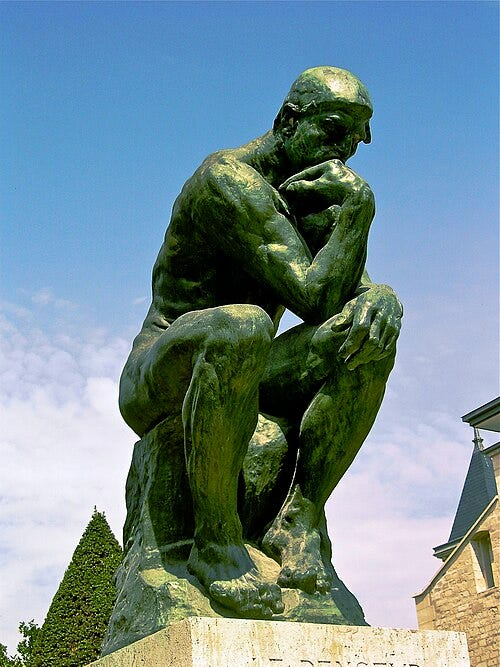
Looking back across the billions of years of our existence and the vast expanse of time, we must ask ourselves: are we the first generation to stand face-to-face with this hollow silence, or have all our ancestors found themselves equally lost on this path? In the grander scheme of things, we are not truly alone—there are seven billion of us coexisting on this planet. Yet, when we encounter the deeper reality of our world, we find ourselves feeling profoundly hollowed and darkened. A life left without a clear aim or direction feels like a tragic waste of everything existence has to offer, which is why we so earnestly crave a motive—a genuine sense of meaning for the life with which we have been graced.
What is most remarkable is that despite the thousands of years humanity has survived on this planet, we have still not made peace with our own mortality. However, this deep-seated restlessness is driven less by our biological nature and far more by the external, material factors that define our world today: the structural lagging behind, the constant sense of loss, the daily struggle, the endless disappointments, the artificial scarcity, the hunger, and the pain. These miseries are not natural laws, yet they remain a brutal reality for the majority of the population. Even though our world produces more than enough abundance to sustain everyone, most people are forced to live without it.
This hopelessness and restlessness are not permanent features of human nature; they have an historical origin. The historical advent of private ownership, the emergence of human slavery, and the subsequent division of society into competing classes mandated these conditions of despair. It was precisely to soothe this systemic pain that humanity turned toward religion. Religion sowed the seeds of belief in an immortal, divine entity who guides our paths, demanding that we show good, patient endurance in this life while awaiting a distant, heavenly bliss. This theological framework successfully manufactured a state of ignorance, encouraging people to look away from their real-world oppression by reasoning that their suffering was merely the result of karma or a deity’s divine plan. As Karl Marx famously observed in A Contribution to the Critique of Hegel’s Philosophy of Right:
“Religion is the sigh of the oppressed creature, the heart of a heartless world, and the soul of soulless conditions. It is the opium of the people.”
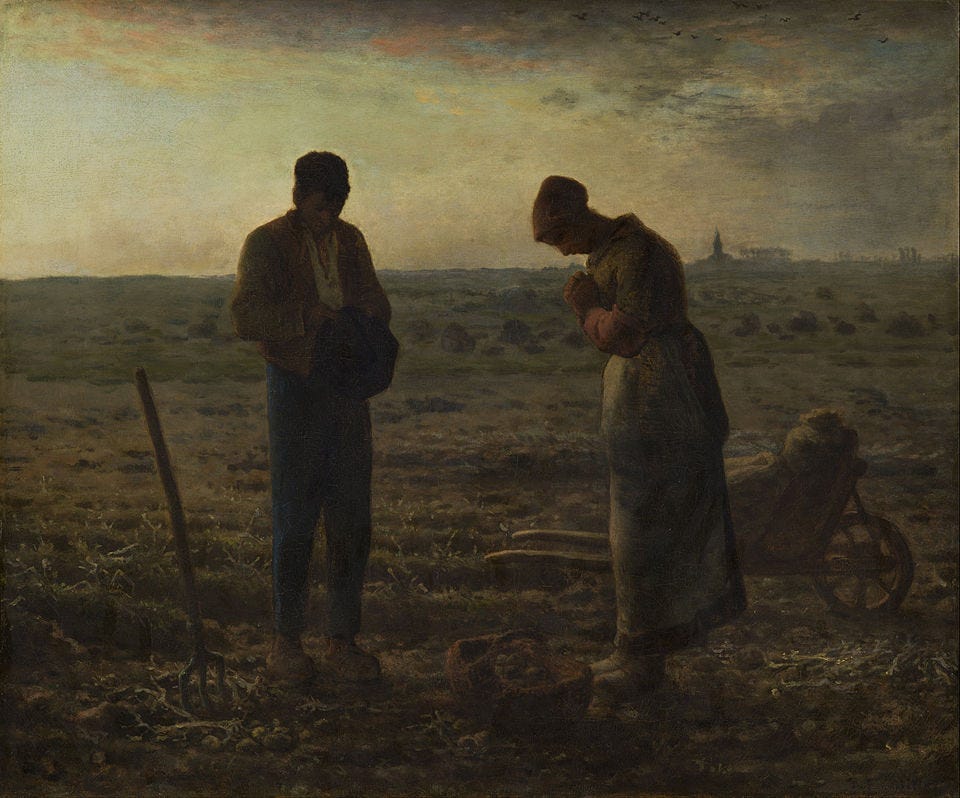
The dominant philosophical thought of any given era was similarly driven by the prevailing material conditions and class relations of the time. Even when the intentions of past philosophers were entirely sincere and not designed to intentionally fool an audience, their ideas were innocently bounded by the limited tools and resources available in their respective historical periods. They created abstract systems simply to soothe the troubled thoughts of an oppressed populace. As Friedrich Engels explained in Anti-Dühring, we cannot understand ideas in a vacuum; we must look to the economic foundations that produce them:
“The economic structure of society always furnishes the real basis, starting from which we can alone work out the ultimate explanation of the whole superstructure of juridical and political institutions as well as of the religious, philosophical, and other ideas of a given historical period.”
Idealist Fever
The horrifying conditions of today’s world demand an immense amount of effort, rigorous thinking, active work, and constant attention from those of us who are not yet on the receiving end of the mass destruction, brutal oppression, and suffocating, unlivable conditions to which others are being subjected elsewhere in the world. Yet, the “many”—those who enjoy relative safety—seem to have forgotten their connection to this suffering. They have become comfortable ignoring global atrocities, failing to realize that they are not mere spectators. In the structural movement of history, even the act of “merely spectating” is a choice that actively impacts how events unfold and dictates where the world is heading.
When we analyze the hollowed, individualistic lives that modern capitalism deliberately manufactures, we are looking at the systematic destruction of our collective responsibility toward the rest of the world. Capitalism operates by executing a murder of the pure human will, destroying our capacity to understand how and where humanity is capable of intervening to change the world’s course of action. This idleness is a material choice with material consequences. The world is not a distant object to be passively watched from afar.
We must collectively realize that historical change does not happen on its own, nor is it confined to some “natural” turn of events. History is not a self-running machine. Humans are the only conscious, physical beings capable of contributing to the course of events. Therefore, our mere idleness acts as a heavy weight that actively holds back the transformative change that collective action would otherwise bring about. Our ignorance and passivity do not freeze the world in a neutral, stationary state; instead, they serve as a silent endorsement, allowing the negative changes and systemic violence of capitalism to keep taking place unchecked.
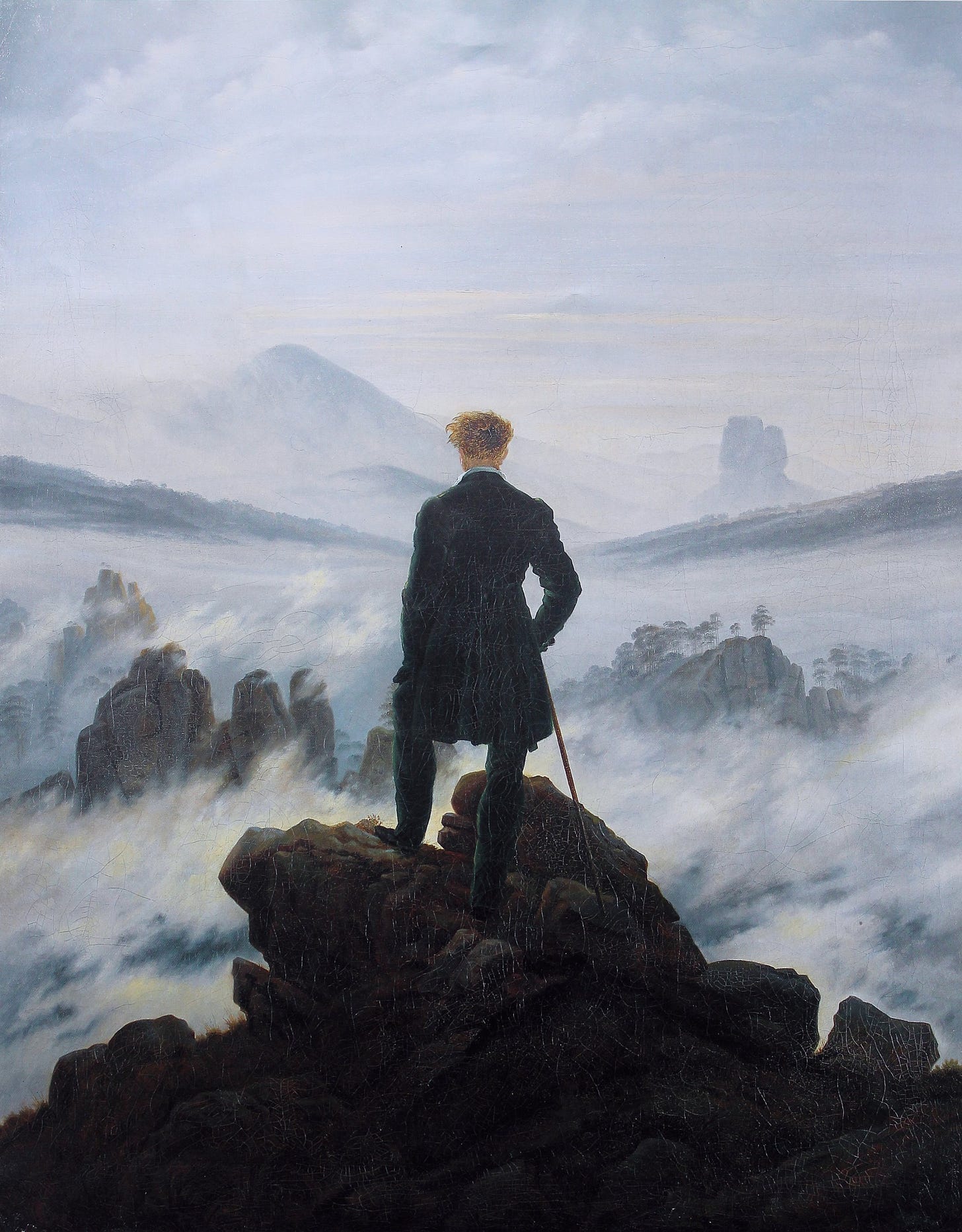
As Emile Burns writes in What is Marxism?, this passive posture is the hallmark of the absolute pacifist who denies the material reality of power:
“The completely logical pacifist ignores the real world around him; it is a matter of no importance to him that in reality... non-resistance to force brings more force, more aggression and brutality. The fundamental basis of such absolute pacifism is an idealist view of the world, a disbelief in external reality.”
Burns argues that absolute pacifism constitutes an idealist, detached view of reality that ignores the concrete, physical force operating in the world. By ignoring that resistance is an undeniable, material fact of modern life, the pacifist fails to recognize that non-resistance merely allows aggression to continue. Ultimately, this approach stems from a denial of external reality—a failure to see how the world actually works.
Conscience in the Making
Contrary to the idealist point of view, the materialist perspective recognizes that the surrounding environment and human consciousness exist in a state of constant, dynamic interplay; they actively shape and transform one another. Human thought is not a passive mirror that merely reflects nature, nor are human beings helpless objects adrift in a pre-determined world. In Thesis III of the Theses on Feuerbach, Karl Marx directly exposed the fatal flaw of any philosophy that treats human beings as completely passive products of their surroundings:
“The materialist doctrine concerning the changing of circumstances and upbringing forgets that circumstances are changed by men and that it is essential to educate the educator himself. This doctrine must, therefore, divide society into two parts, one of which is superior to society.”
With this intervention, Marx rejects the passive surrender of waiting for a superior force, an external savior, or a “Great Man” to step forward and deliver social change. He places the weight of history squarely on the shoulders of the collective populace. Our environment does not simply hand us the conditions for a better world on a silver platter; rather, we, as conscious physical beings, bear the immediate responsibility of analyzing what is happening around us and organizing intentional, physical interventions.
This is the core definition of Revolutionary Practice: as the working class fights to change its physical conditions, the very act of engaging in that struggle fundamentally transforms who they are. Their subjective consciousness changes because they are actively reshaping their material reality. As Emile Burns reinforces in What is Marxism?:
“Man does not only observe external Nature: he changes it, and himself with it.”
This active relationship is not a novel concept; it is the definitive story of human survival on this planet. Humanity has always navigated its circumstances by using the unique combination of a conscious brain, a physical body, and collective labor. We do not look at a forest as an unchangeable landscape; we actively cut wood, build fires, cultivate fields, and plant seeds. Human senses and human intellect are not sharpest when we sit back in quiet contemplation, but when we are actively working, building, and transforming the physical matter around us.
Yet, in the modern world, this essential conscious effort is being systematically choked. The material conditions of capitalism subject the population to a relentless barrage of “rat race” propaganda, which instills a deep sense of hopelessness and manufactured ignorance. This propaganda relies on the systemic lie that the current order is permanent—the illusion that “as it was, so it will always be.” This mindset acts as a suffocating barrier to the development of both the individual and society.
Worse still, the infection of this passivity is not restricted to the openly indifferent; it breathes directly within the revolutionary movement itself in the forms of revisionism and reformism. When political movements seek comfortable alliances with hollow liberal systems, they reveal that their consciousness has surrendered. They stop acting as historical agents of change and become passive observers once more, attempting to adjust the existing machinery rather than dismantle it.
To shatter this paralysis, we must break away from “mechanical” materialism, which views humans as passive clay completely molded by external forces. Dialectical Materialism restores human consciousness to its proper role as an active participant in history. As V.I. Lenin argued in his Philosophical Notebooks :
“The consciousness of the human being not only reflects the objective world, but creates it.”
Without an understanding of the laws of change, well-intentioned conscious effort inevitably collapses into despair. When individuals work for years without witnessing an immediate, fundamental overhaul of society, they fall into the trap of feeling that their personal sacrifices are entirely wasted. Dialectical Materialism cures this exhaustion by proving that what looks like a period of “smooth, slow development” is actually the phase where revolutionary energy is quietly accumulating beneath the surface.
A movement armed with this scientific theory does not throw up its hands during periods of apparent stagnation; it understands that the material contradictions are building toward an inevitable, explosive rupture. By grounding our choices in this methodology, conscious effort ceases to be an emotional, hollow reaction to systemic pain and transforms into a calculated, scientific intervention. It rescues the human will from the capitalist trap by proving that structural change is not an idealist fantasy, but an absolute law of the universe.
The Breaking Point
To understand how human consciousness breaks out of its modern paralysis, we must look to the fundamental laws governing reality itself. The capitalist worldview relies on a specific delusion: that change is always smooth, linear, and gradual. It tells us that history moves in a straight, predictable line, ensuring that today will look like yesterday, and tomorrow will look like today. This is a deliberate lie designed to induce hopelessness, trapping the individual in an eternal present where resistance feels mathematically impossible.
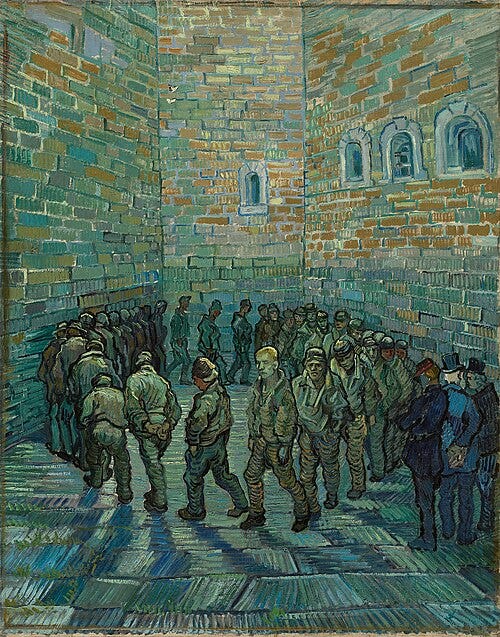
Dialectical materialism shatters this illusion by revealing that development is never a simple, uninterrupted climb. As Emile Burns notes in What is Marxism?, physical and social reality is “broken at certain points in a very sharp way.” A process appears completely stable and gradual for a long period—a quality merely increasing or decreasing numerically—until it hits a critical, invisible threshold known as a “nodal point.” At this threshold, a sudden, explosive break occurs, and the entire character of reality is fundamentally transformed.
To comprehend this “mind-breaking” law, we look to the physical behavior of water. If you apply heat to water, its temperature rises. This is a purely quantitative change; the amount of heat increases, but the water remains water. It retains all its liquid properties, its appearance, and its behavior. A mechanical observer, watching this process, would foolishly assume that the water will simply go on heating forever while remaining a liquid.
However, at 100°C (212ºF), a sudden, violent rupture takes place. The water completely changes its qualities. The linear process is shattered; it is no longer water, but steam. The same law applies in reverse: reduce the temperature, and the liquid remains liquid until it hits 0°C (32ºF), where it instantly hardens into solid ice. This is what Friedrich Engels identifies in Dialectics of Nature as the law of the transformation of quantity into quality. In chemistry, this law is absolute: adding or subtracting a single atom completely changes the character of the molecular result.
In human society, this exact same law dictates the movement of history, rendering the “rat race” propaganda of capitalism obsolete. Gradual economic and social shifts take place over long stretches of time without causing any visible, fundamental changes in the character of the system. To the passive spectator, society appears stationary. But beneath the surface, hidden from plain sight, the quantitative pressures are building. Then, a sharp break takes place. A revolution erupts; the old form of society is entirely destroyed, and a new mode of existence comes into being.
This qualitative leap is demonstrated by the historic death of the feudal order and the subsequent birth of capitalism. Under feudalism, production was strictly localized. Peasants worked the land and handed over a mandated portion of their crop directly to their lords; production was for survival, not for exchange. However, within the very pores of this rigid feudal matrix, a new quantitative element began to accumulate: the buying and selling of surplus products.
As Burns notes, this process was initially slow and unnoticeable. Small-scale trade gradually led to the growth of independent towns, which in turn led to the production of goods specifically for the market. Over centuries, these small, numerical shifts—a merchant trading here, a private workshop opening there—silently built up a new class: the bourgeoisie.
As this rising class grew, it developed entirely new “productive forces”—industrial machinery, massive factories, and an urgent requirement for a mobile, propertyless workforce that could sell its labor freely. The old feudal property relations, with their rigid system of serfdom and restrictive town guilds, became a physical barrier—a suffocating chain. They were completely incompatible with the new economic reality. As Karl Marx and Friedrich Engels explain in the Communist Manifesto:
“The feudal relations of property became no longer compatible with the already developed productive forces; they became so many fetters. They had to be burst asunder; they were burst asunder.”
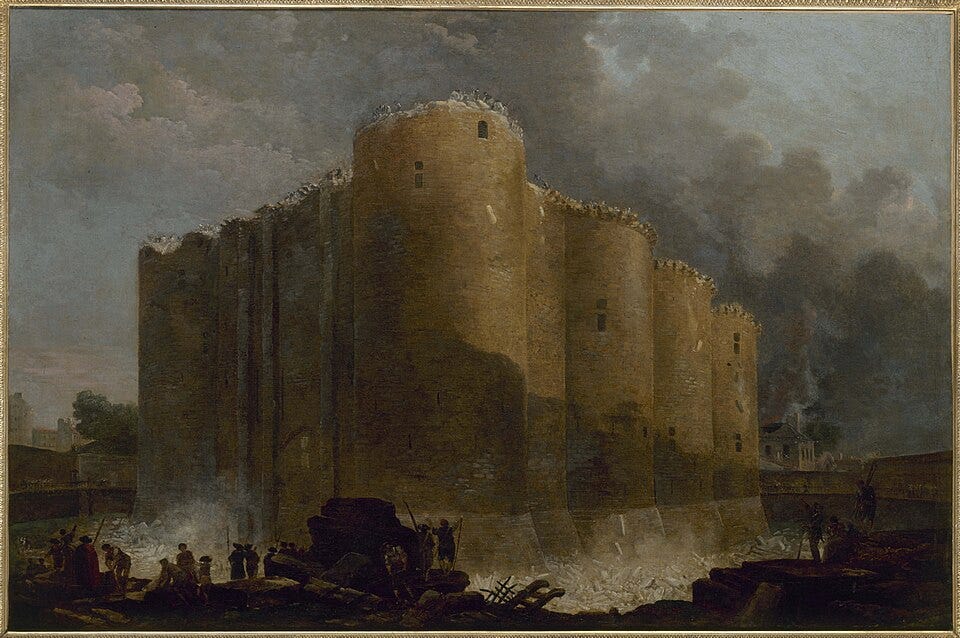
The absolute historical “boiling point” was reached when the rising capitalist class could no longer breathe within the constraints of the old feudal container. The quantitative accumulation of economic power transformed into a qualitative explosion—an era of social revolution, such as the French Revolution. The old feudal character of society was completely obliterated in a sharp break. This was not a mere rotation of kings or political leaders; it was a total, structural transformation of the mode of production. Capitalist society took the place of feudalism and initiated an entirely new, tempestuous development. As Karl Marx argued in the Preface to A Contribution to the Critique of Political Economy:
“At a certain stage of development, the material productive forces of society come into conflict with the existing relations of production... Then begins an era of social revolution.”
The Inevitable Revolution
If the transformation of quantity into quality explains how the revolutionary break looks, the fourth law of dialectics explains why it is inevitable. It reveals the internal motor that drives all historical change. The idealist propaganda of the ruling class seeks to present capitalist society as a harmonious, unified whole, suggesting that if individuals simply work hard, the system functions for everyone. Dialectical materialism explodes this myth by showing that nothing in reality is a simple monolith. Everything in existence is composite, fractured, and of a dual character. Everything contains within its own structure an unresolvable conflict of opposites.
Every entity, system, or society has within it features that are actively developing and becoming more dominant, alongside features that are decaying, passing away, and becoming less dominant. One internal force is always expanding, while the other is desperately resisting that expansion. It is the relentless struggle between these opposites—the fight of the rising factor to destroy the domination of the old, and the struggle of the dominant factor to prevent the new factor from born—which constitutes the actual content of the entire process of change. This internal friction is the sole reason why systems eventually hit their boiling point and fracture in a violent break. As Mao Zedong argued in On Contradiction:
“The fundamental cause of the development of a thing is not external but internal; it lies in the contradictoriness within the thing.”
This internal motor operates with absolute clarity within human history. At each historical stage, society has been split into antagonistic classes, one of which was developing in the womb of the old world, and one of which was declining at the top of it. This was the case under feudalism, where capitalism developed “in the germ” and, as it grew, came into a direct, unresolvable collision with the nobility. It is the exact same case in our current capitalist period. Capitalist society is not all of one kind; it is split in half by its own internal contradiction. As the capitalist class develops its wealth, it is materially compelled to develop its own opposite: the working class, the rising factor that “has the future in its hands.”
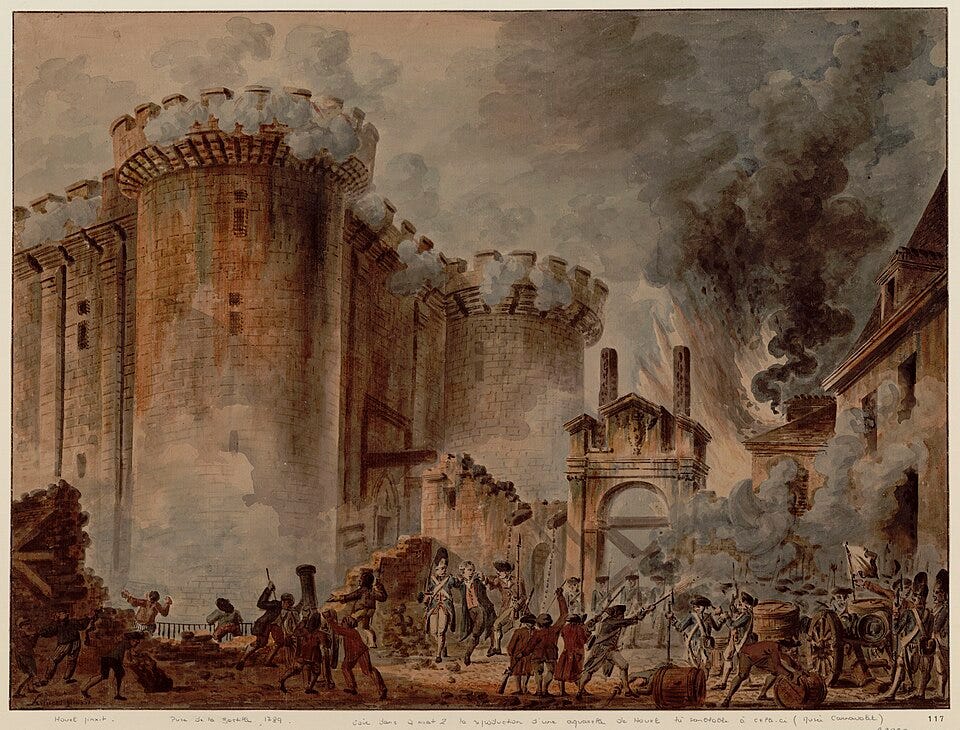
The conflict between these classes is not an accidental glitch in the system; it is the organic, defining features of capitalism itself. The capitalists must exploit the workers to generate profit, and the workers must resist that exploitation to survive. This systemic friction develops over time, escalating from small factory disputes into generalized political warfare. It is this fundamental “contradiction” within capitalism, and the actual physical struggles arising from it, which ultimately forces the qualitative leap—the sharp break of the revolution. As V.I. Lenin noted in his Conspectus of Hegel’s Science of Logic:
“The split of a single whole and the cognition of its contradictory parts is the essence of dialectics.”
A “Class-for-itself”
It is within these features of dialectical materialism that we discover the intellectual weapon needed to understand both our current circumstances and our historical path. But simply reasoning, creating abstract logic, and writing books is not enough. To remain in the realm of pure thought is to fall right back into the passive trap of the spectator. As Karl Marx famously concluded in his final entry of the Theses on Feuerbach:
“The philosophers have only interpreted the world, in various ways; the point is to change it.”
True understanding requires a physical, historically conscious act to fulfill both that comprehension and human reason. As dialectical materialism teaches us, new material conditions are constantly emerging, new ideas are constantly breaking through the crust of old thinking, resistance is steadily increasing, and change stands as the absolute truth of the universe. No condition remains constant for all eternity; change is continuously happening. This historical movement is, as Marx noted, “going on before our own eyes” if we care enough to look.
Throughout history, there have been many philosophers and theorists who, in response to the demands of their times, sought to analyse and understand the conditions of their present. Even though their intentions were sincere, and they were not trying to intentionally trick anyone, they were innocently developing within the limited tools and resources available then to soothe one’s thoughts of actions. They were bounded by their historical era. Today, however, the situation is completely different. We have centuries of historical data, a massive accumulation of global knowledge, and, most importantly, the support of a revolutionary, scientific theory. We no longer have an excuse to be confused.
Yet, people today have found their own ways of becoming accustomed to the system. Those who hold economic privilege find comfort in ignoring the mass destruction, adapting their lives to the status quo because it suits them. Others find an escape reason in media propaganda that serves the ruling class, sinking into a manufactured state of ignorance and passivity. Then there are those who fall into deep despair and hopelessness, completely unable to find reason or an exit path within the available information and institutional lies. They look at the world and feel completely powerless, believing that one human can do nothing to change the course of history.
Dialectical materialism clears this hopelessness entirely. It turns our emotional exhaustion into scientific clarity by showing that change is historically proven, materially possible, and already occurring. It reveals that the world is always in need of people’s conscious effort to help grow the movement. Without this conscious intervention, the working class remains what Marx called a “class-in-itself”—a fragmented collection of separate individuals who share the same exploitation but remain isolated, competitive, and idle spectators of their own misery. Left to its own spontaneous devices, the working class can never break its chains. As Lenin argued in What Is To Be Done?, spontaneity alone is a dead end:
“The history of all countries shows that the working class, exclusively by its own effort, is able to develop only trade union consciousness... Class political consciousness can be brought to the workers only from without, that is, only from outside the economic struggle.”
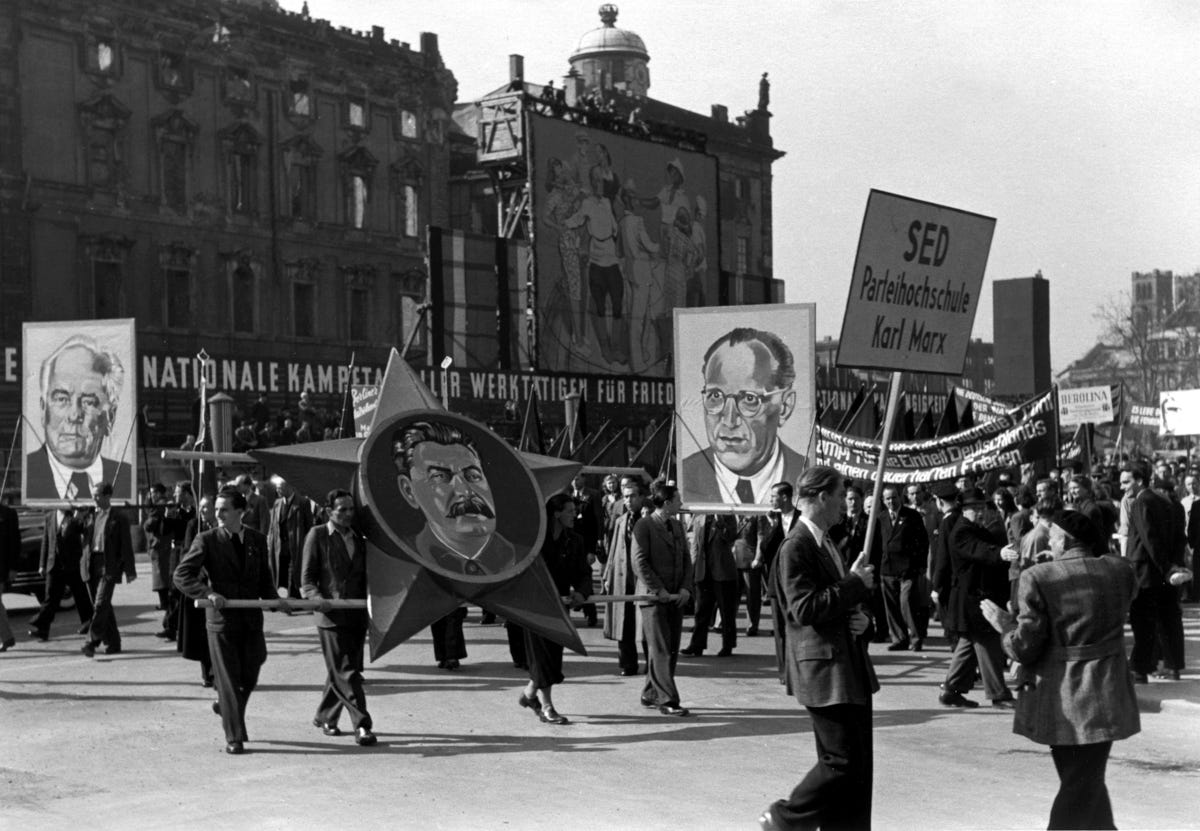
Dialectical materialism is that conscious force from without that transforms the proletariat into a “class-for-itself”—a unified, self-conscious force that recognizes its historical task. This requires what Mao Zedong outlined in On Practice as the essential leap from theory back into physical reality:
“If we have a correct theory but merely prate about it, pigeonhole it and do not put it into practice, then that theory, however good, is of no significance. The whole process of human knowledge is a leap from theory back into the practice of changing the world.”
In the Communist Manifesto, while urging for a strong, uncompromising revolutionary line against the bourgeoisie—one led directly by the working class—Marx and Engels define the necessary role of this conscious vanguard:
“They [the Communists] have over the great mass of the proletariat the advantage of clearly understanding the line of march, the conditions, and the ultimate general results of the proletarian movement. The theoretical conclusions of the Communists are in no way based on ideas or principles that have been invented, or discovered, by this or that would-be universal reformer. They merely express, in general terms, actual relations springing from an existing class struggle, from a historical movement going on under our very eyes. The abolition of existing property relations is not at all a distinctive feature of communism. All property relations in the past have continually been subject to historical change consequent upon the change in historical conditions.”
A key part of this consciousness is the complete shattering of the illusion that property relations are eternal laws of nature. Just as the rising bourgeoisie “burst asunder” feudal property because it had become a fetter on development, the conscious proletariat is destined to do the same to bourgeois property—the social power that allows the few to monopolize wealth and subjugate the labor of the many. Marx describes this as a “radical rupture” with traditional ideas. It is the exact moment where the human will actively breaks free from capitalist machine-training, shifts from passive reflection to objective creation, and restores a truly human consciousness to the world.
What is to be done?
The tool of dialectical materialism, when wielded not as a passive academic index but as an active method of study, restores an unyielding hope and a precise scientific understanding of the structural changes that are entirely possible in our world. It fundamentally alters our relationship with our own suffering; it takes our paralyzing despair and redirects it into a rigorous, calculated reasoning and an objective action driven entirely by hope.
Under the suffocating fog of capitalist propaganda, we are taught to internalize our misery as a personal flaw or an unchangeable law of nature. Dialectical materialism explodes this deception. It reveals that the widespread despair, the isolating loneliness, and the deep hopelessness confronting the global populace today are not proof of human helplessness. Rather, they are the concrete, objective proof of a ruling class that is no longer fit to hold power—a dying system blindly awaiting its necessary historical unrooting.
This science provides us with a genuine understanding of the immense value of our individual and collective choices. It exposes the inherently mortal, decaying nature of the current capitalist system, and delineates the precise historical role that conscious human beings must play in its dismantling. Dialectical materialism teaches us that we do not have to accept this reality as an eternal sentence. We must gather our hopelessness, our despair, and our collective anger, and direct them away from passive self-destruction. We must put this revolutionary tool to work against the prevalent idealist propaganda of the bourgeoisie, shatter the illusion of our powerlessness, and put our active human consciousness to physical use in the material world.
Dying capitalism
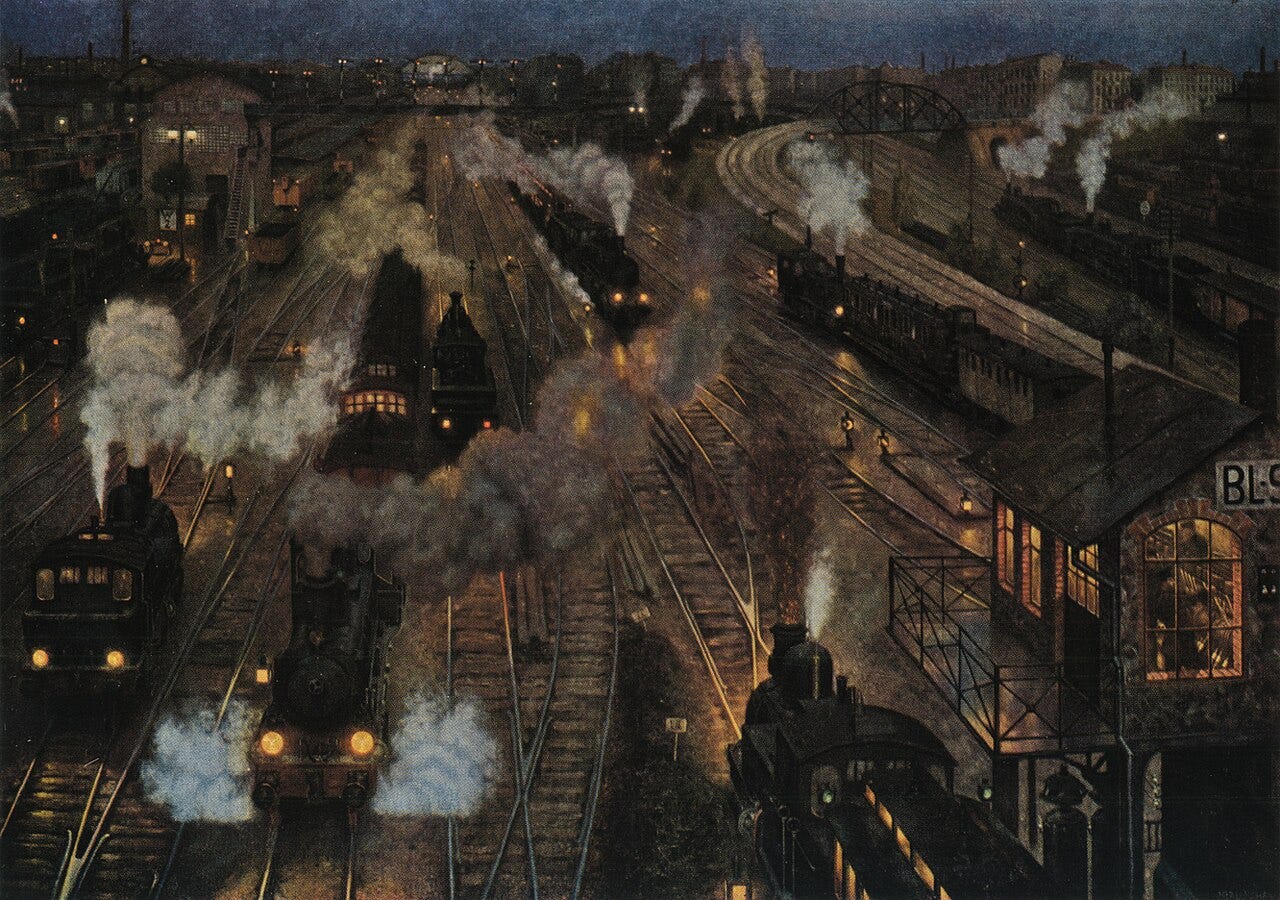
This weaponized consciousness brings us back, finally, to the “hollowed” sense of responsibility identified at the very start of this journey. The Communist Manifesto provides the material diagnosis for this emptiness, proving that our psychological exhaustion is the systemic symptom of an economy where the past dominates the present. In bourgeois society, dead labor—accumulated capital, corporate assets, and automated machinery—reigns supreme over the living, breathing human being. As Karl Marx and Friedrich Engels define this distortion in Chapter II:
“In bourgeois society, living labour is but a means to increase accumulated labour. In Communist society, accumulated labour is but a means to widen, to enrich, to promote the existence of the labourer. In bourgeois society, therefore, the past dominates the present; in Communist society, the present dominates the past. In bourgeois society capital is independent and has individuality, while the living person is dependent and has no individuality.”
The world is not a distant movie to be watched from a safe distance. The “conscious effort” we advocate is the realization that by manufacturing this hollowed, oppressed class, the bourgeoisie has inevitably produced its own executioners. Capitalism forces millions into a state of living death, but in doing so, it organizes the very force that will bring about its end. By gaining a clear, theoretical understanding of this “line of march,” we cease to be the idle victims of a blind historical current and become its conscious drivers. We shatter the passivity that maintains the status quo. As Friedrich Engels summarized in Socialism: Utopian and Scientific, this active leap of consciousness is what allows humanity to break its cycles of historical subjugation and step out of the dark:
“To accomplish this act of universal emancipation is the historical mission of the modern proletariat. To thoroughly comprehend the historical conditions and thus the very nature of this act... is the task of the theoretical expression of the proletarian movement, scientific Socialism.”
All Unite!
It is here, at the peak of this revolutionary path, that we find the ultimate resolution to our existential dread. The physical mortality of human beings is a biological fact; it must be accepted as our ultimate, shared truth. Yet, it is a profound tragedy of our current era that millions fall into deep despair and hopelessness, not because they are mortal, but because the brutal conditions of capitalism strip their lives of dignity, joy, and peace before they ever reach the grave. Capitalism robs us of our time, forcing us to spend our brief existences competing in an artificial rat race simply to survive. It turns our limited days into a source of constant anxiety, isolation, and terror.
But through the lens of revolutionary practice, we can visualize a different reality. I am deeply hopeful that there will come a day—a new world—where our mortality will no longer be a source of worry, fear, or existential trauma. When we systematically dismantle the “machine-training” of capitalism and replace it with an association based on collective care, the very nature of time changes. The hours of our lives will become immensely beautiful, spent in the shared joy of others and sustained by the deep love of many. This profound connection will extend past artificial borders, binding not just human beings to one another, but uniting us with all living beings and the vast, surrounding natural world we inhabit.
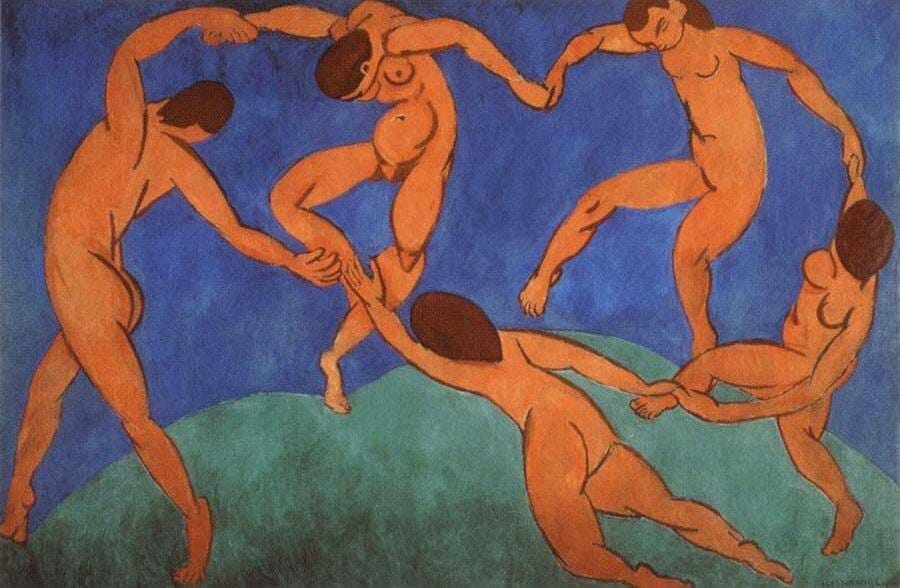
In a society stripped of exploitation, scarcity, and class warfare, mortality will lose its terrifying sting. We will no longer worry about running out of time in an artificial race for survival, because our days will no longer be spent in despair. We will move from the hollowed isolation of the spectator to an association in which “the free development of each is the condition for the free development of all.” Through the science of dialectical materialism, the pure human will is resurrected, the spectator vanishes, and humanity takes its definitive step into true freedom.
As the Manifesto triumphantly concludes:
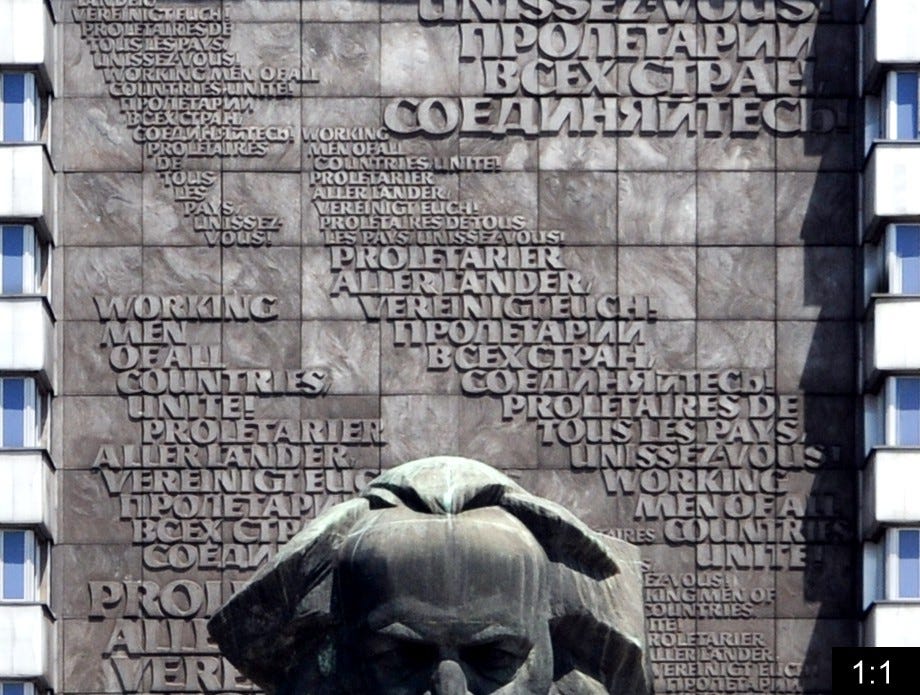
“The proletarians have nothing to lose but their chains. They have a world to win. Working Men of All Countries, Unite!”
Read next

Online Reading and Screening| To Vote Is Not A Choice
Join us as we read, discuss, and collectively build clarity.

Online Reading and Screening| To Vote Is Not A Choice
Join us as we read, discuss, and collectively build clarity.
“Vote Chori”, SIR and Current Outburst
Where is the Movement Headed and What Must We Do?